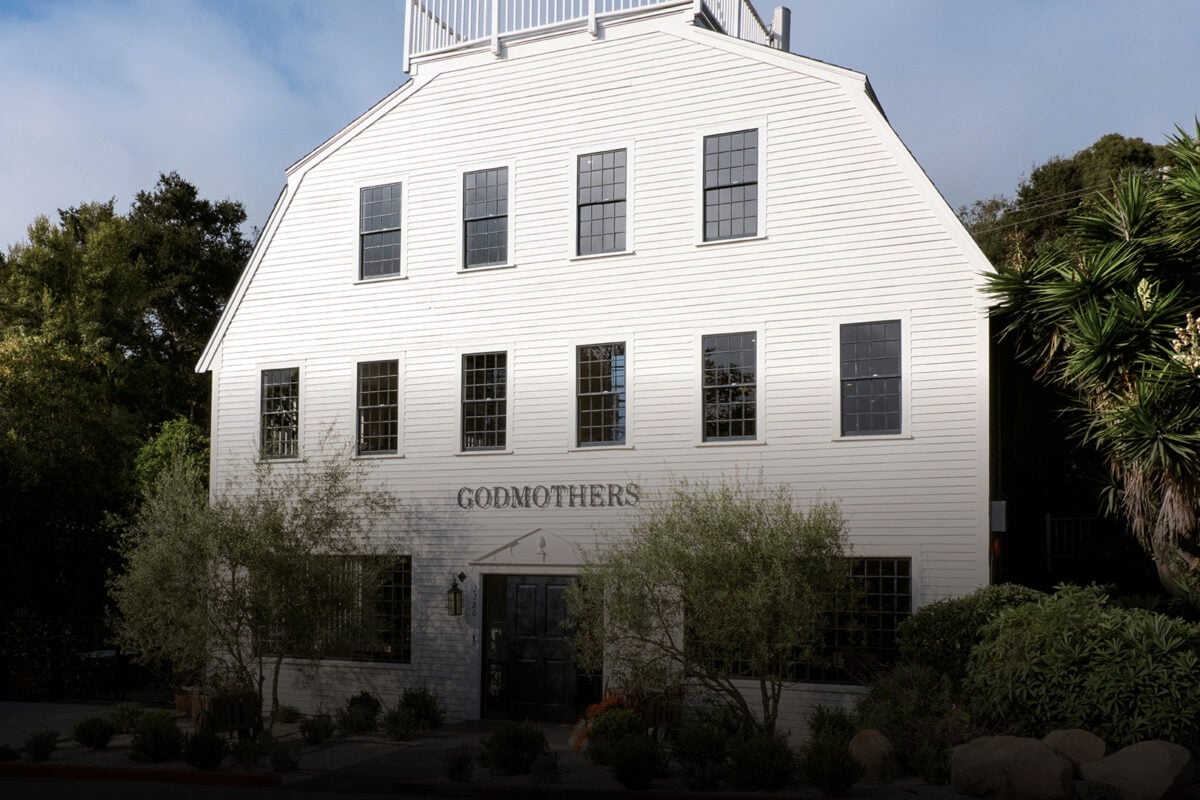
As rival states lure productions away, the California Film Commission director is working to reverse the trend, fueling Oscar winners and a Golden State reboot

For Colleen Bell, the executive director of the California Film Commission, this year’s Oscars felt like a long-held vision finally coming to life, after seven years of championing California as a home for film production. That evening in March, Paul Thomas Anderson’s propulsive One Battle After Another won six Academy Awards, including best picture. Filmed almost entirely in California — Sacramento, Humboldt County, the San Diego suburbs, La Purisima Mission in Lompoc — the movie received $8.4 million in state tax breaks. “We are very proud,” Bell says, adding that film shoots “drive real economic activities in our communities.” In Sacramento alone, the movie created $5.3 million in spending, according to the local film and media office.
Three years earlier, the trippy Everything Everywhere All at Once —which also received tax breaks, filming across the L.A. area — won best picture. “There’s a significant amount of momentum taking place here and a very exciting range of projects choosing California,” Bell says. Since her appointment by Governor Gavin Newsom in 2019, Bell — a former television producer who previously served as U.S. ambassador to Hungary — has been trying to stop the “runaway production” trend. Over the past few years, other states and countries have used aggressive tax breaks to lure film and TV projects. In 2025, the Golden State went on the offensive, increasing California’s annual cap on tax breaks to $750 million from $330 million. It also expanded eligible productions to include reality programs and animation (like The Simpsons Movie 2, coming in 2027).
In October 2025, 52 new projects received tax breaks, including Heat 2, Jumanji: Open World, and Nightwatching, an independent film starring and produced by Mila Kunis. “Filming Nightwatching in California has been a gift,” Kunis says. “The crews, the infrastructure, the creative community — it’s all here. This program helps make sure productions like ours can continue to call California home.” Bell says the tax break program encourages filmmaking across the entire state; incentives can be 5 to 10 percent higher outside the L.A. area.
“Ang Lee’s ‘Gold Mountain’ captures the creative energy we are seeing.”
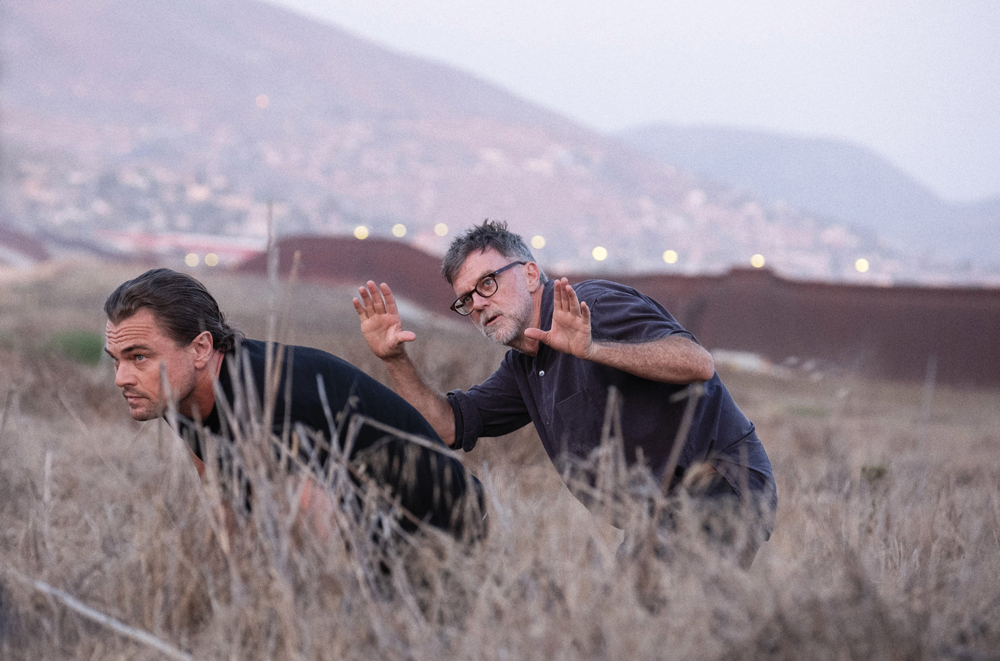
“We are a continent’s worth of land here in one state, and it truly is one of our greatest strengths,” Bell says. “There are extraordinary locations, from the Central Valley and the Sierra Nevada to the deserts, the Central Coast, and Northern California.” But luring production to California is still challenging. According to FilmLA, shoot days in 2025 for TV and commercial production in the L.A. area dropped 16.1 percent compared with 2024. A new governor will take office in January, and Bell hopes the state will continue to support the industry, adding that movies and TV shows shot here encourage tourism. “So many people travel to California to see where their favorite TV show scene or movie scene was shot.”

Hopefully, those only-in-California best picture moments keep coming. Bell has her eye on a future contender. “One project that really captures the creative energy we are seeing right now is Gold Mountain, directed by Ang Lee, which is currently filming in Northern California,” she says. “It’s a story rooted in the gold rush being told in the very landscape where that history unfolded. There’s something incredibly powerful about stories being told where they belong.”
This story originally appeared in the Summer 2026 issue of C Magazine.
Discover more CULTURE news.
See the story in our digital edition