As Frieze fever hits L.A., these 10 standout shows are worth trekking across town for
Words by DAVID NASH and ELIZABETH VARNELL
At Marciano Art Foundation, It’s Not Just Art, It’s Giorno
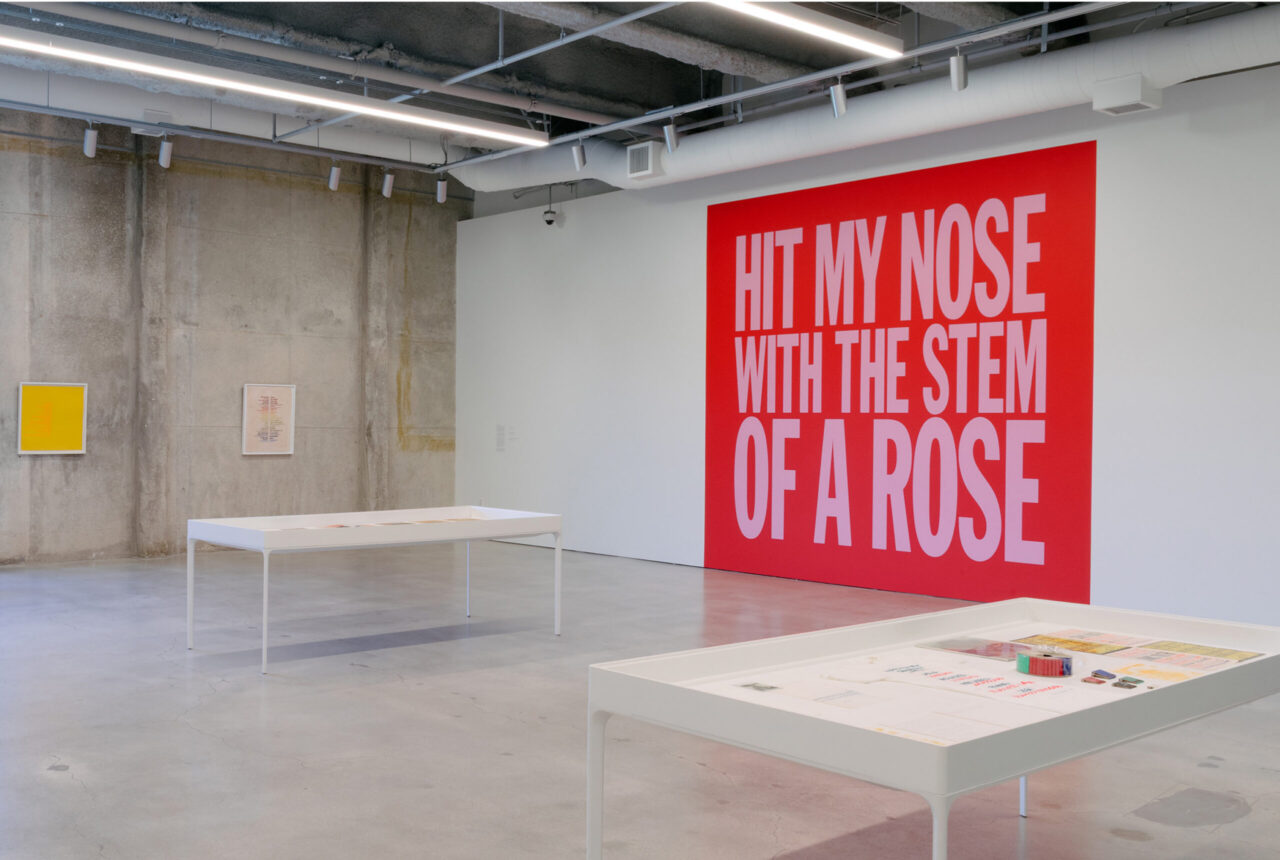
As the focus of Andy Warhol’s nearly five-and-a-half hour 1964 film Sleep, John Giorno not only became one of the pop artist’s first superstars but also set his own trajectory as a poet and painter. Known for his seminal Dial-A-Poem project launched in 1968, Giorno would ultimately transcend this blend of spoken word, performance, and sound installation by embarking on a painting practice with language as his medium. Through a mix of text paintings, early prints, and rainbow canvases, the MARCIANO ART FOUNDATION offers John Giorno: No Nostalgia, a survey of the late artist’s work that invites us into his views of daily life in New York, Buddhist beliefs, and intimacy of language. Curated by the foundation’s director, Hanneke Skerath, and critic Carlos Valladares — in collaboration with Giorno Poetry Systems — the show also offers 24-hour access to Dial-A-Poem recordings by 132 poets, artists, musicians, and activists, highlighting Giorno’s collaborative process. Through Apr. 25. 4357 Wilshire Blvd., L.A.; marcianoartfoundation.org. D.N.
 |
John Zabawa Tests His Minimalist Palette at Neutra VDL House
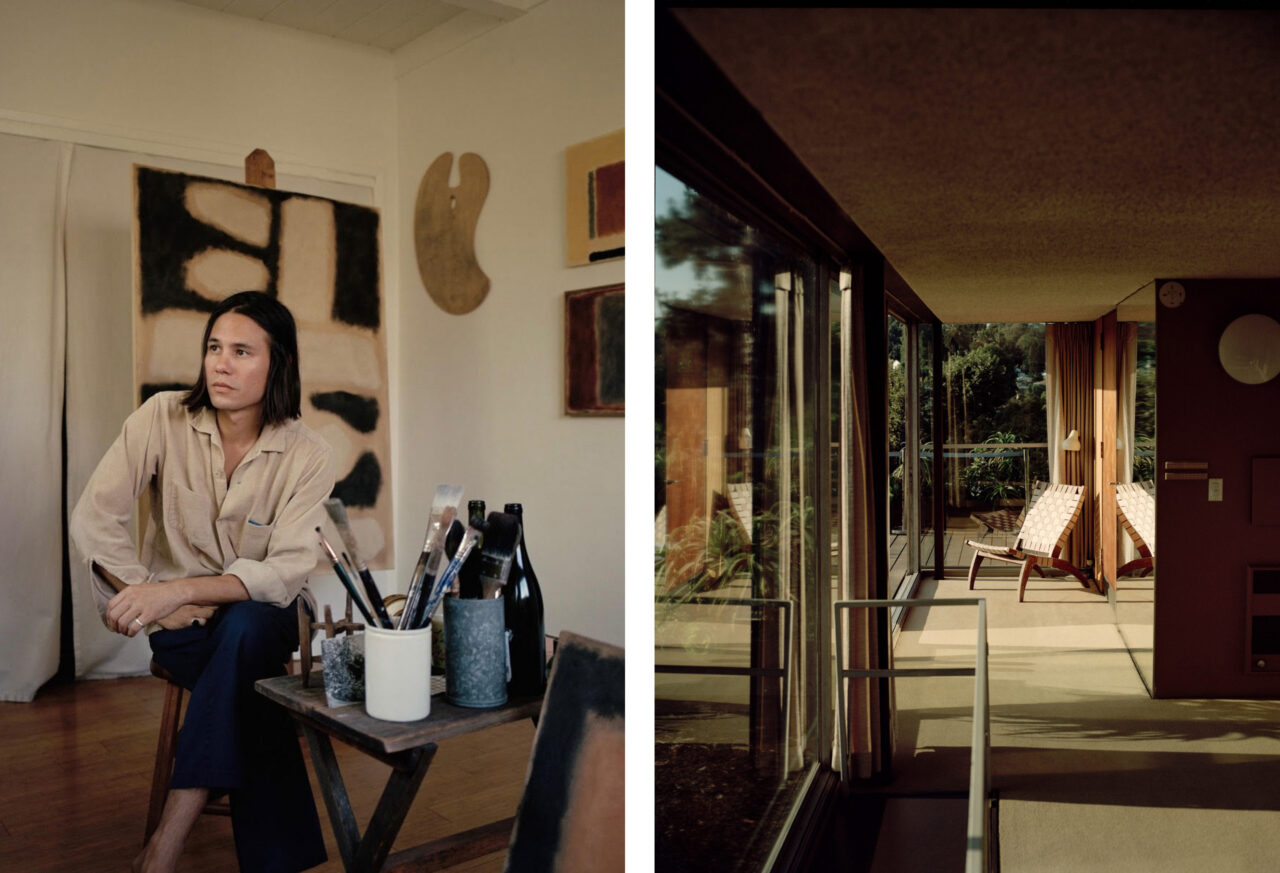
L.A. artist John Zabawa’s site-specific solo exhibition, The Sky Between Us, is staged inside the Neutra VDL House in collaboration with FRANCIS GALLERY. The painter’s Southern California landscapes and still-life works loom large in this setting, where interior and exterior are closely connected with the San Gabriel Mountains in the background. Zabawa captures fleeting moments of light on canvases: waves crashing at dawn, a bowl of fruit on a table, a windowside vase of eucalyptus leaves. Initially trained as a graphic designer, he paints with pure pigments of blue, yellow, red, burnt sienna, black, and white, mixing sun-bleached shades or deep tones to capture his first impressions and ongoing dialogue with the city where he’s lived for the past eight years. Los Angeles itself is the subject here, shown both in interior moments and inhabited environments translated to canvases. Feb. 26–March 1. 2300 Silver Lake Blvd., L.A., 909-454-6205; francisgallery.com. E.V.
|
Gagosian Unveils Sarah Sze’s Off-Kilter Dreams

A new series of large-scale paintings and two immersive video installations comprise Sarah Sze: Feel Free at GAGOSIAN, the multimedia artist’s debut gallery exhibition in L.A. Like Tuymans, Sze also takes on media saturation through unconventional sculptures embedded with small projectors and made of an assortment of ephemera such as boxes, paper cutouts, toothpicks, prisms, art supplies, and scraps. Fields of light change and shift; images flash across walls like fleeting dreams or memories. Sze’s layered canvases combine oil, acrylic paint, and collage with suspended photo fragments and digital images that float as if on pause amid a flurry of bits — or bytes — surrounding them. Through Feb. 28. 456 N. Camden Dr., Beverly Hills, 310-271-9400; gagosian.com. E.V.
|
The King of Superflat Makes an Impression at Perrotin

A recent visit to Claude Monet’s home and gardens in Giverny inspired Takashi Murakami to examine the ties between Impressionism and ukiyo-e (the Japanese art genre depicting urban life, landscapes, leisure, and fashions of the Edo period) in a new series of 24 paintings at PERROTIN’s Los Angeles outpost. For Hark Back to Ukiyo-e: Tracing Superflat to Japonisme’s Genesis, the artist opens with four large-scale paintings based on works by 18th-century ukiyo-e artists Kitagawa Utamaro and Torii Kiyonaga. Depicting women gathered at teahouses in spring and winter, Murakami creates the images in his signature style that includes multiple layers of silkscreened acrylic paint (applied with a special squeegee method) and a glossy finish. He also takes a turn at Monet’s 1875 portrait of Camille, his first wife, known as Woman with a Parasol — Madame Monet and Her Son. The contemporary exploration pairs a copy of the portrait with 12 enlarged versions of prints by Kikukawa Eizan and his teacher, Utamaro. The three-part show concludes with a look into the connection between ukiyo-e and Monet to Japan’s contemporary kawaii culture, for which Murakami replaces Monet’s impressionist blooms with his own happy flowers. Through March 7. 5036 W. Pico Blvd., L.A., 323-433-4063; perrotin.com. D.N.
|
Steve Schapiro Is Everywhere All at Once at Fahey/Klein
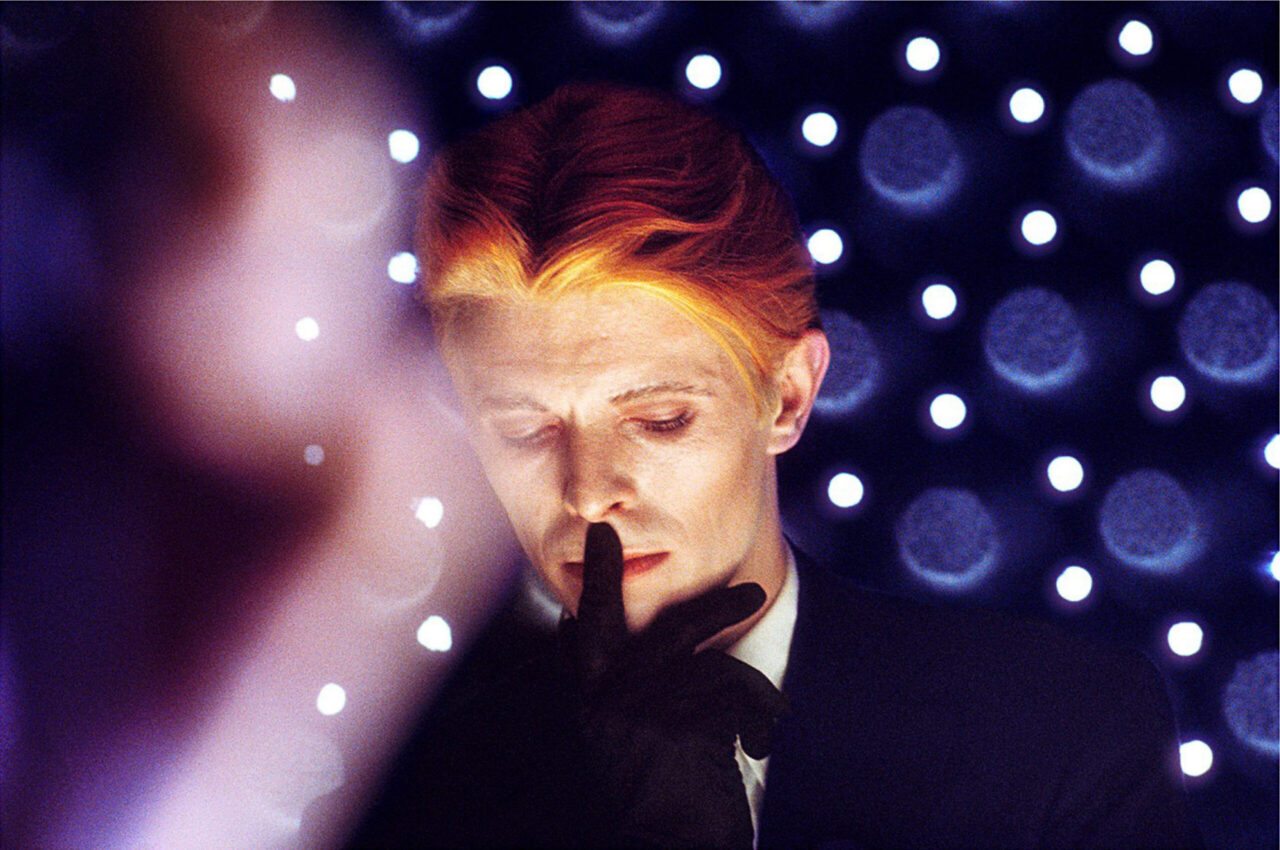
The breadth of lensman Steve Schapiro’s images from Civil Rights actions and meetings to Hollywood film sets over a six-decade career presents a startling visual record of the past half century. FAHEY/KLEIN GALLERY’s new show, Steve Schapiro: Being Everywhere combines bold images for Life, Time, and Newsweek, shot in the 1960s and documenting the March on Washington, and the third march from Selma to Montgomery with behind-the-scenes snaps from the sets of more than 400 movies, including Chinatown, Taxi Driver, The Godfather, and Midnight Cowboy. Here’s Mohammed Ali on a bicycle with a group of neighborhood kids in Louisville, Kentucky. There’s French actor Yves Montand reading Variety on Fifth Avenue. The exhibition’s title comes from the new Maura Smith documentary, chronicling the photographer’s life in New York, Los Angeles, and Chicago, his early efforts to capture life on the streets, the defining historical moments he witnessed, and his commitment to visual truth. Through March 21. 148 N. La Brea Ave., L.A., 323-934-4243; faheykleingallery.com. E.V.
|
A 30-Years-in-the-Making Wolfgang Tillmans Show at Regen Projects
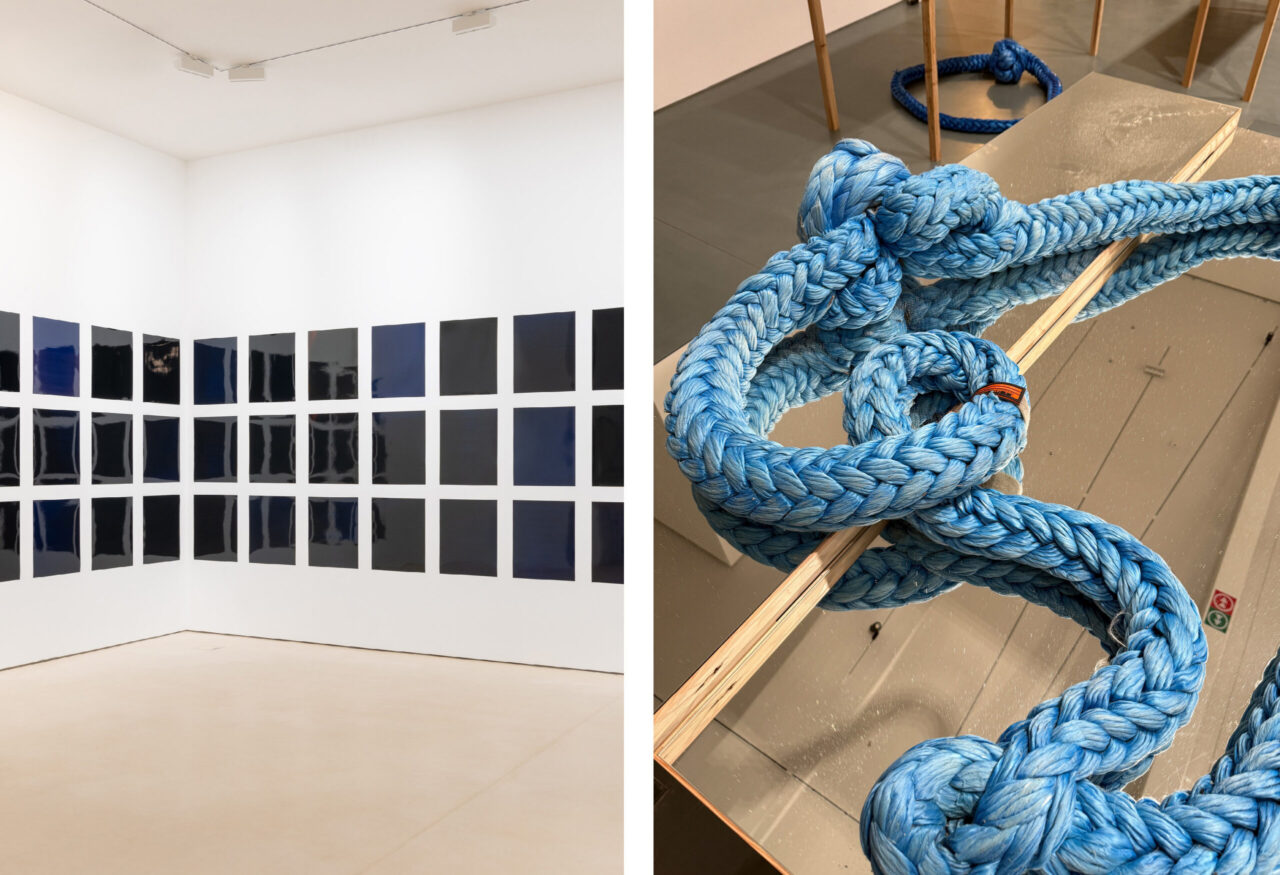
On the heels of several major international exhibitions — including at the Centre Pompidou in Paris, the Albertinum in Dresden, and his inclusion in the 36th Bienal de São Paulo — REGEN PROJECTS debuts its ninth solo exhibition for contemporary German photographer Wolfgang Tillmans. Through new photographs, videos, and sculptural installations, Keep Movin’ examines how the artist’s recognizable visual style and conceptual language have changed over the past three decades, since his first show with the gallery in 1995. Central to the exhibition, Untitled (2025) comprises large industrial ropes that are coiled on the floor and laid across tables set atop mirrored surfaces that suggest the “tenuous connections and fragile infrastructures that underpin today’s information systems.” Other works, like Curled (2025), are extensions of his early photocopier experimentations. The nearly 20-foot-long inkjet print on paper, Panorama, (2006/2024), hangs as an expanded homage to the original work shown in his seminal Truth Study Center installations 20 years ago. Through March 1. 6750 Santa Monica Blvd., L.A., 310-276-5424; regenprojects.com. D.N.
|
Luc Tuymans’ Take on Contemporary America at David Zwirner
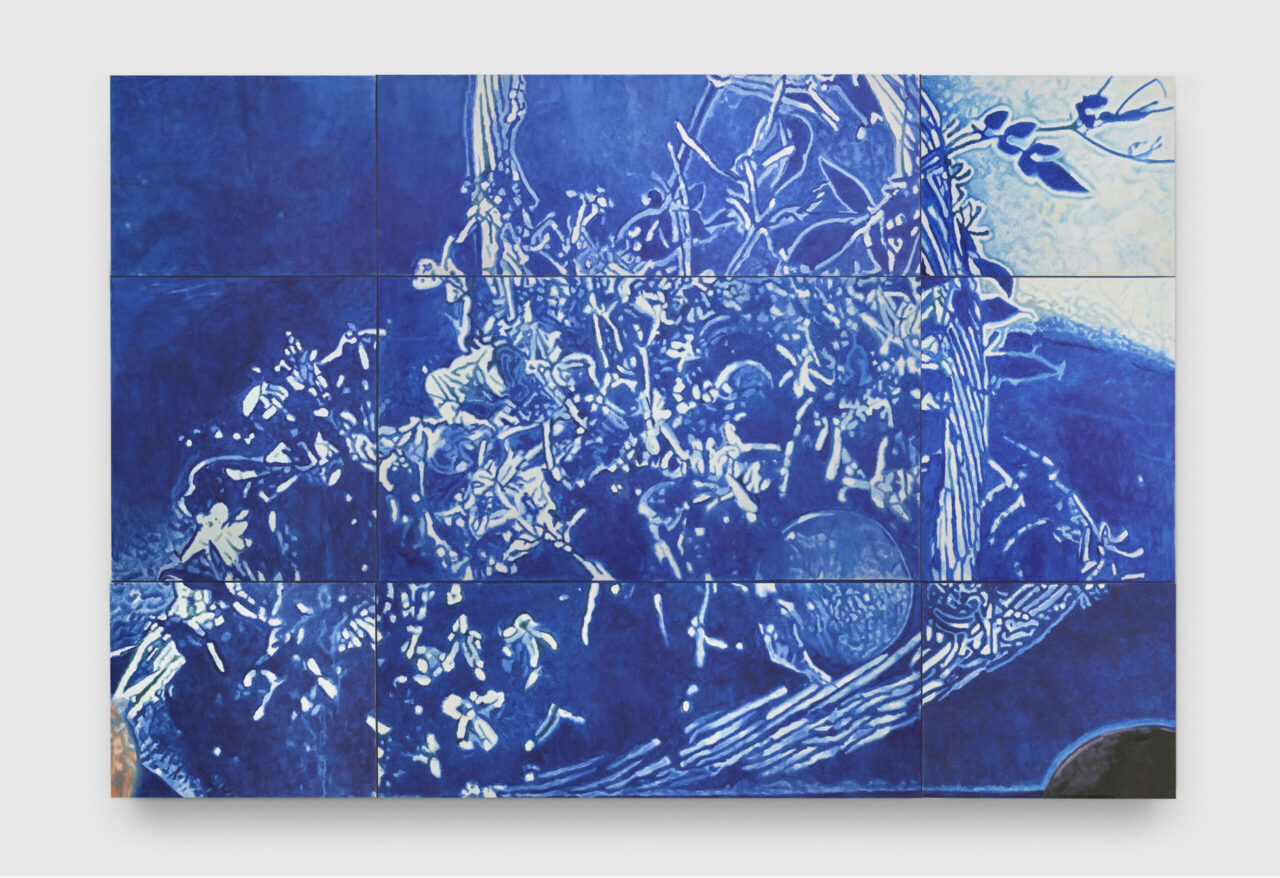
Belgian Luc Tuymans paints from existing photographs and images using a muted palette to create ambiguous works playing with light and perception. His first solo L.A. exhibition at DAVID ZWIRNER, The Fruit Basket, combines these aspects of his practice to explore the current fractured atmosphere here in this country. Engaging with the daily onslaught of digital media, the fragmented painting from which the show takes its name is based on an iPhone photo of fermenting fruit, a distorted symbol of plenty that is decaying. Also on view are a group of large-scale works, collectively titled Illumination, created from magnified stills the artist snapped on his phone while watching a documentary on illuminated manuscripts. The colors seem to glow like a Mark Rothko painting. Throughout the show, the mediated state of our contemporary lives is reflected back at us through Tuymans’ distinctive, understated, and very influential style. Feb. 24–Apr. 4. 606 N. Western Ave., L.A., 310-777-1993; davidzwirner.com. E.V.
|
Guerilla Girls Take on the Art World at the Getty
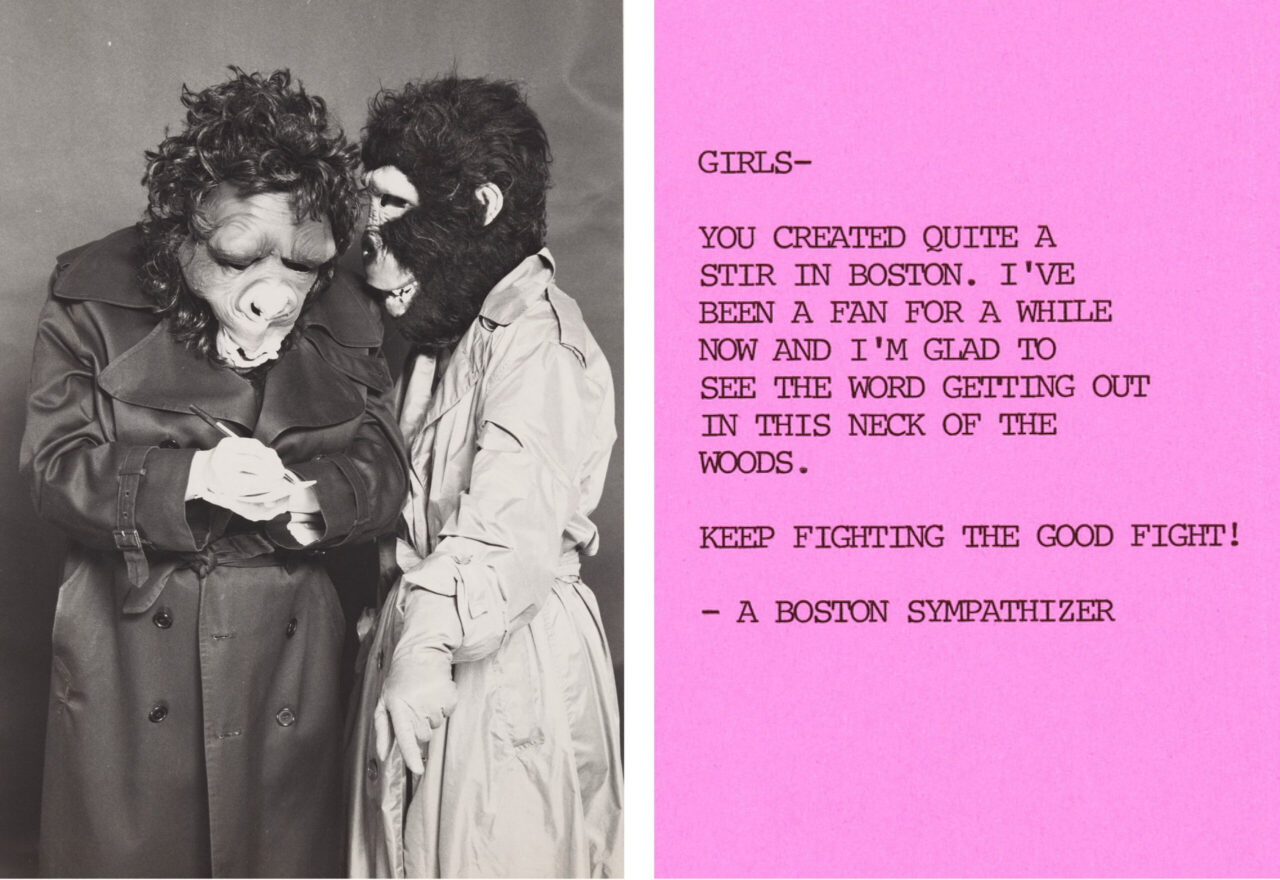
The witty feminist art collective Guerrilla Girls, known for its grassroots practice in reaction to the systemic sexism of the art world, is now in its fourth decade exposing deeply rooted biases. THE GETTY RESEARCH INSTITUTE, which houses the group’s archives, is spotlighting their groundbreaking work from posters and primate masks to papers charting their collective actions, all of which is on view in How to be a Guerilla Girl. The exhibition shows how the group’s response to a 1984 MoMA exhibition featuring 169 artists, with only 13 women among them, became a satirical force. On view are the bold graphics, shocking statistics, and theatrical anonymity women in the collective wielded while adopting names of historically overlooked women artists. Their concurrent critique of racism, corruption, and censorship seems more prescient now than ever, as is their groundbreaking 1989 work, Do Women Have To Be Naked To Get Into The Met Museum?, a piece that debuted as a bus ad. Through Apr. 12. 1200 Getty Center Dr., L.A., 310-440-7300; getty.edu. E.V.
|
David Salle is Under the Influence of AI at Sprüth Magers

Marking his first solo exhibition in L.A. in nearly 30 years, David Salle returns to town with a trove of new paintings at SPRÜTH MAGERS. For the occasion — and the artist’s inaugural show with the gallery — Salle’s new work explores AI’s influence on the role of image making, recognizing an undeniable new world of imagery presented by the transformative, data-driven technology. “In the early 1980s, as a key member of the Pictures Generation artists, Salle witnessed major shifts in the dissemination and creation of images in our cultural landscape,” says gallery co-owner Philomene Magers. “Uniquely, he was able to adopt those developments into the much longer history of painting — a tradition he has always remained firmly committed to.” Presented as part of the gallery’s 10th anniversary, David Salle presents a rousing selection of works that “extend his longstanding exploration of juxtaposition, ambiguity, and visual resonance.” The compositions — clusters of colorful abstracted images imposed on one another — are overtly beautiful and hypercritical, inviting viewers to interpret and critique their meanings. Feb. 24–Apr. 18. 5900 Wilshire Blvd., L.A., 323-634-0600; spruethmagers.com. D.N.
|
Erin Wright Dreams Big at Albertz Benda
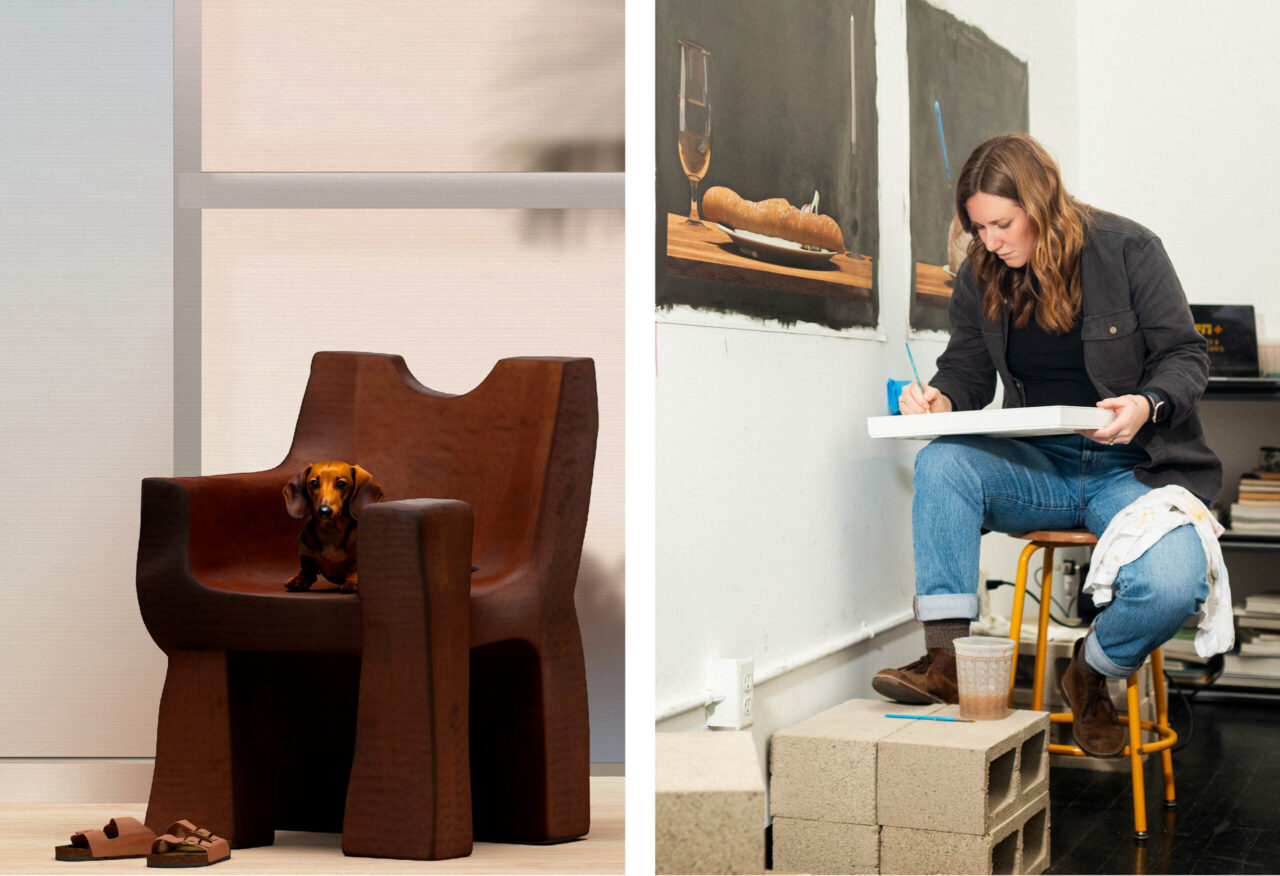
For her first solo exhibition with ALBERTZ BENDA — the midcentury West Hollywood hills home turned gallery — Erin Wright presents Fever Dream, a showcase of paintings in which the location is also the subject. Through her recognizable style of highly rendered paintings that duplicate the home’s own elements (from fireplaces to doorknobs), the works become, virtually, part of the structure. Described by the artist as “architectural stickers,” Wright adds details to the room where none existed: a full floor-length window appears, a fireplace is transcribed on an adjacent wall, and objects by designers like Wendell Castle and Faye Toogood are duplicated through Wright’s practice alongside existing gallery objects. When you consider these site-specific works will eventually reside within the context of other homes, their playful nature becomes amplified because, as she puts it, “The gallery is a space for architecture to take itself less seriously, and perhaps for a gallery in a domestic setting even more so.” Feb. 24–March 28. 8260 Marmont Ln., L.A., 310-913-3269; albertzbenda.com. D.N.
|
IN PARTNERSHIP
|
Wine, Food, and the Senses Converge at Joseph Phelps
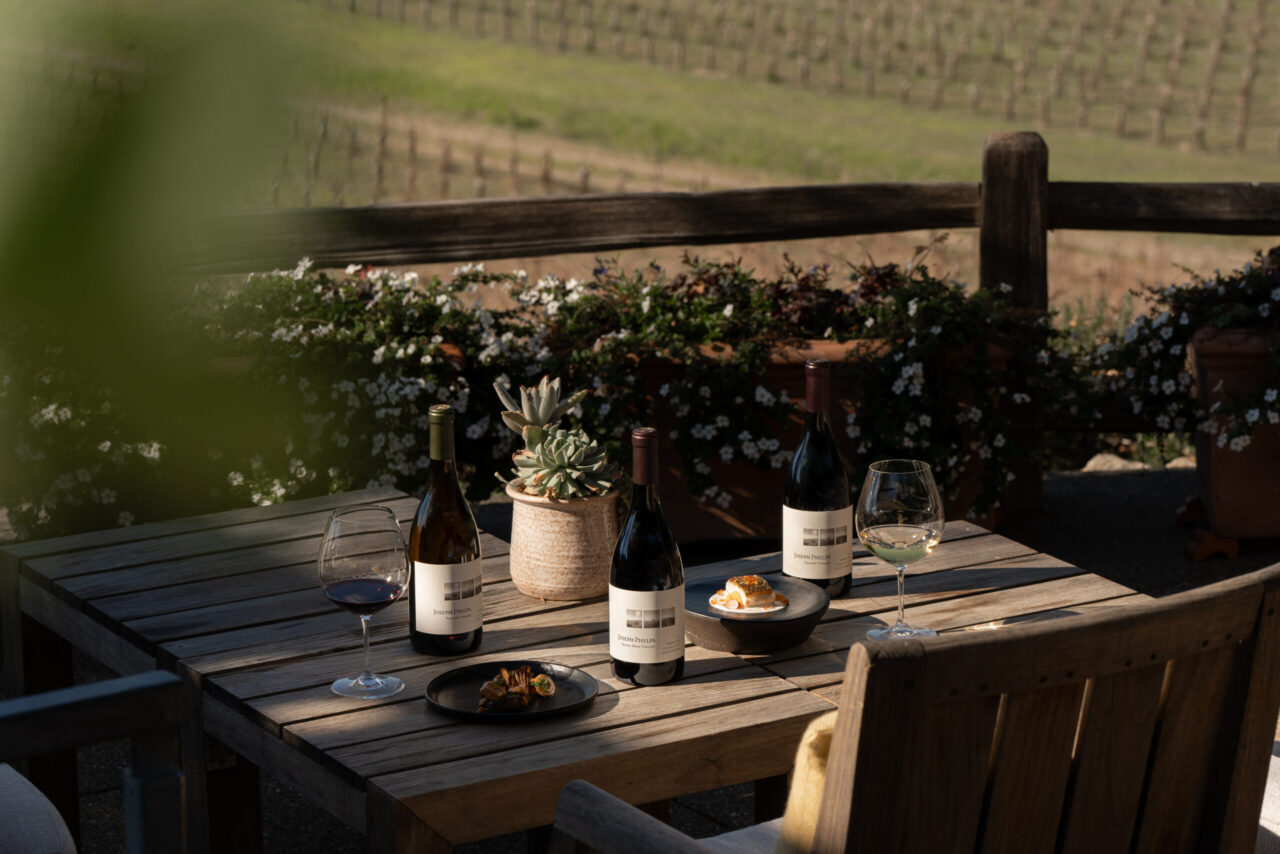
Set back along the rolling hills and shady oaks of the pastoral Silverado Trail as it winds through St. Helena is Joseph Phelps Vineyards. In addition to its sought-after catalog of Bordeaux-style wines, Cabernet Sauvignon, and Syrah, the historic Napa Valley property has become a gathering spot for culinary pilgrims and enthusiasts seeking food and wine pairings inspired by seasonal ingredients. Table Series offerings highlight distinct flavors through specific vintages and foods that broaden palates throughout the spring months of March and May as well as coastal Sonoma events in July, plus fall offerings in October and select dates in early November. The Sensory Table gatherings, held in March, include a progression of pairings exploring textures, seasonings, and aromas. Meanwhile, The Regenerative Table events, held in May, focus on farming practices and biodiversity linking soil health and flavor. In July, The Coastal Table, led by executive chef Tod Kawachi, spotlights the Sonoma Coast’s bountiful oysters, caviar, and seafood with a five-course pairing menu. The Backus Table, in October, includes a rare visit to the Cabernet Sauvignon vineyard’s volcanic slopes. November’s The Forager’s Table pairs a mycologist with Kawachi and includes an intimate harvest lunch paired with Pinot Noir. 200 Taplin Rd., St. Helena, 800-707-5789; josephphelps.com.
February 11, 2026
Discover more CULTURE news.