Guests toasted a century of filmmaking in San Francisco at the neighborhood twin-screen theater, now a newly minted nonprofit
Words by CATHERINE BIGELOW
Photography by MATT MIMIAGA
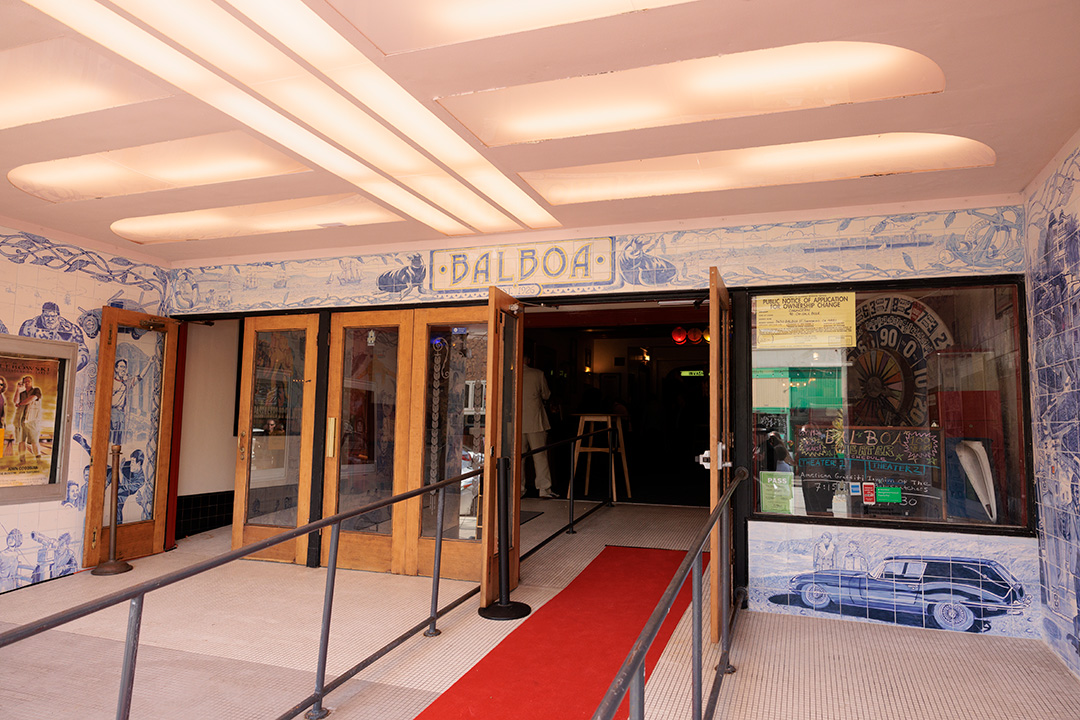
While the letter A in the neon red beacon blade at the Balboa Theater was on the blink, a centennial celebration on Saturday, April 18, was lit as 500 cinephiles turned out in force to applaud this historic film house.
“San Francisco remains a stronghold for storytelling and movie making that we can share together in these historic, single-screen theaters—along with all the humanity, buttered popcorn, conversation, inspiration, and awkward first-date kisses that accompany that experience.”
Robert Mailer Anderson
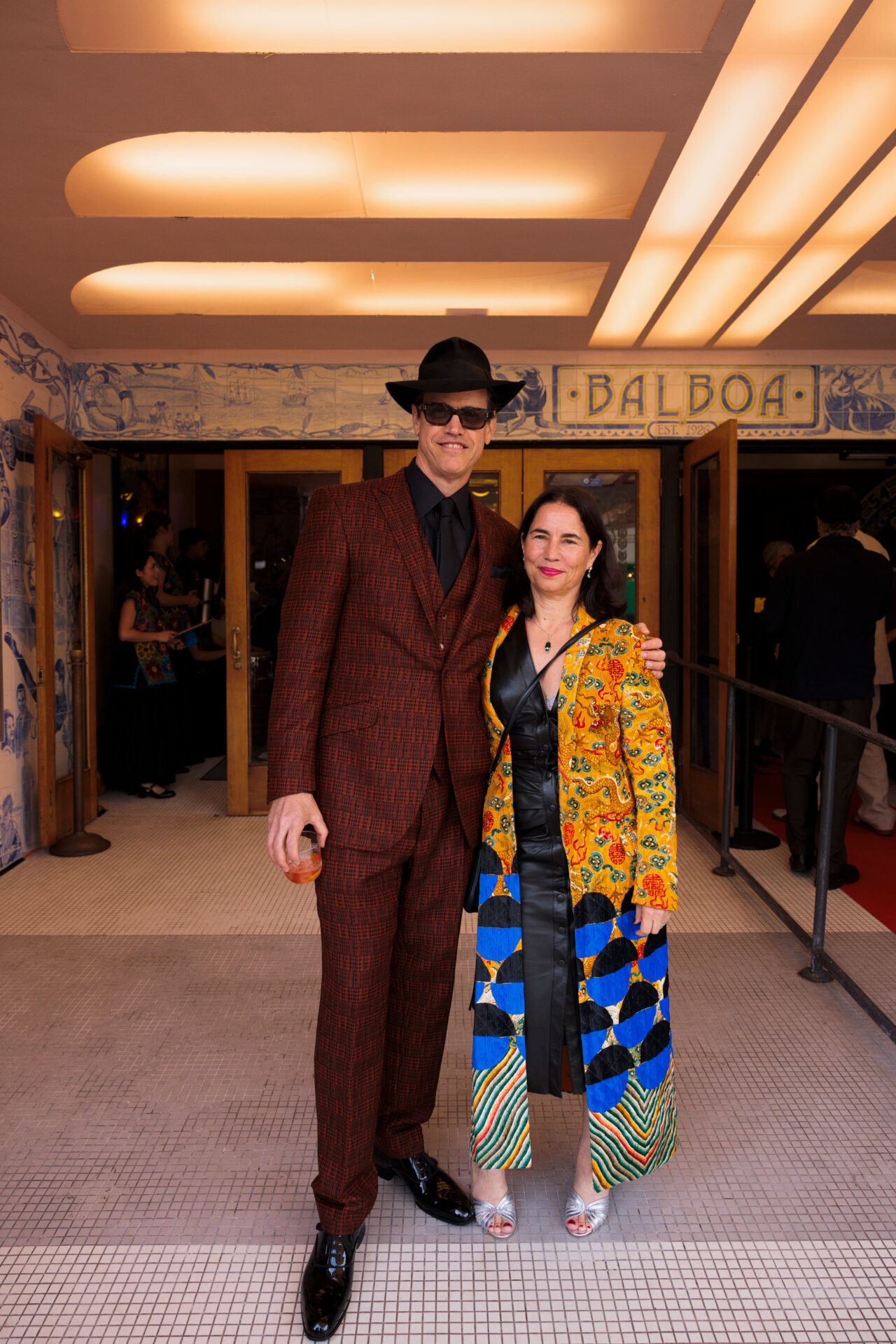
Located on a foggy yet lively stretch of Balboa Street in the outer Richmond District, this 600-seat, twin-screen neighborhood theater is also a newly minted nonprofit — which also includes The Vogue and the 4-Star — under the auspices of CinemaSFBay. This devotional project is supported by board president and author-filmmaker Robert Mailer Anderson with his wife, philanthropist Nicola Miner.
Funds will support educational and theatrical programming, grant applications — and new neon bulbs — that enhance the indie spirit of small community theaters.
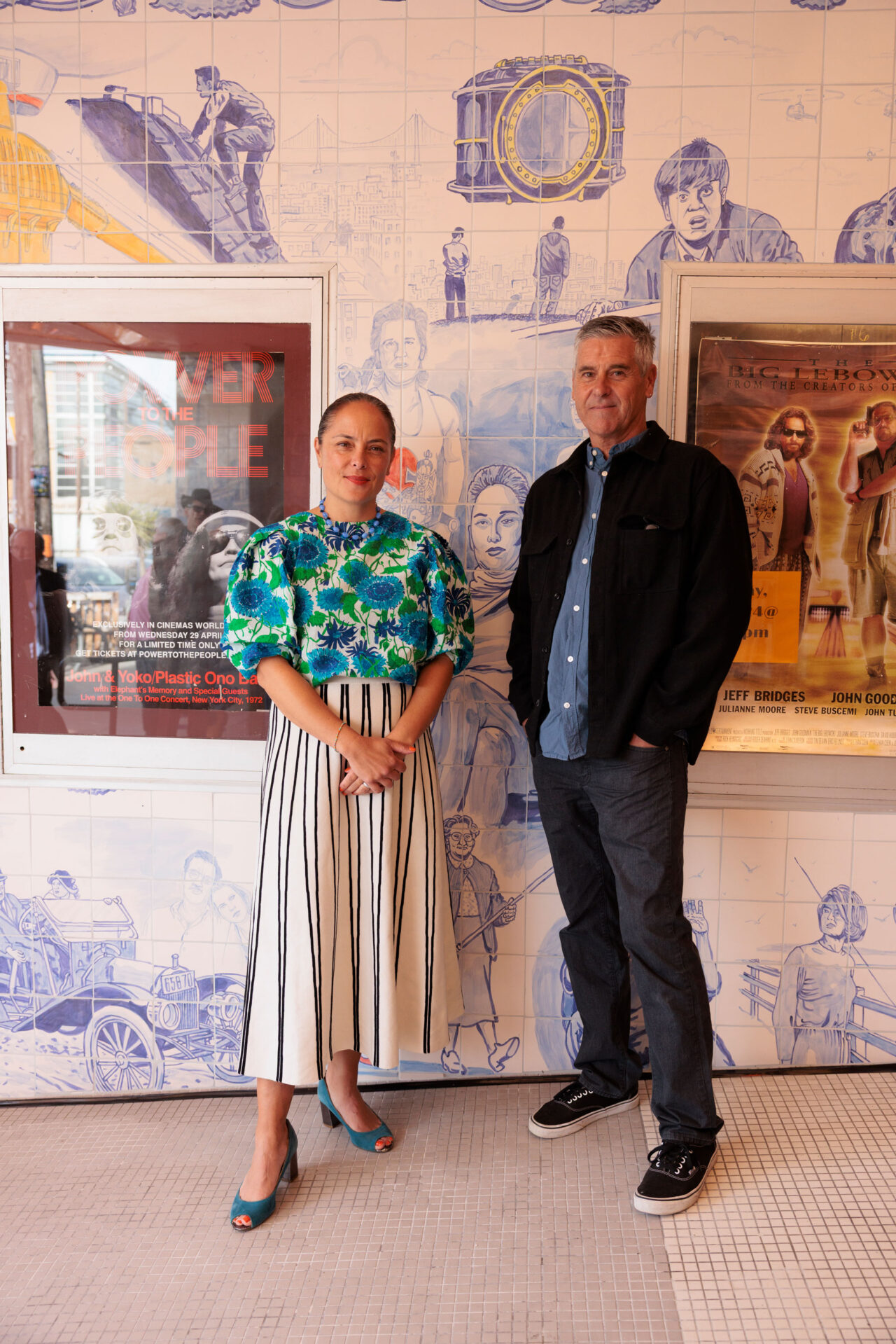
The couple also established the inaugural Balboa Award, honoring Oscar-nominated (The Color Purple) costume designer Aggie Guerard Rodgers. They commissioned husband-and-wife artists Elyse Pignolet and Sandow Birk to create a hand-crafted, Azulejos-style tile mural, A Century of Filmmaking in San Francisco, that adorns the Balboa’s facade and depicts iconic scenes and stars from 48 movies filmed in the city.
“San Francisco remains a stronghold for storytelling and movie making that we can share together in these historic, single-screen theaters,” Mailer Anderson said. “Along with all the humanity, buttered popcorn, conversation, inspiration, and awkward first-date kisses that accompany that experience.”
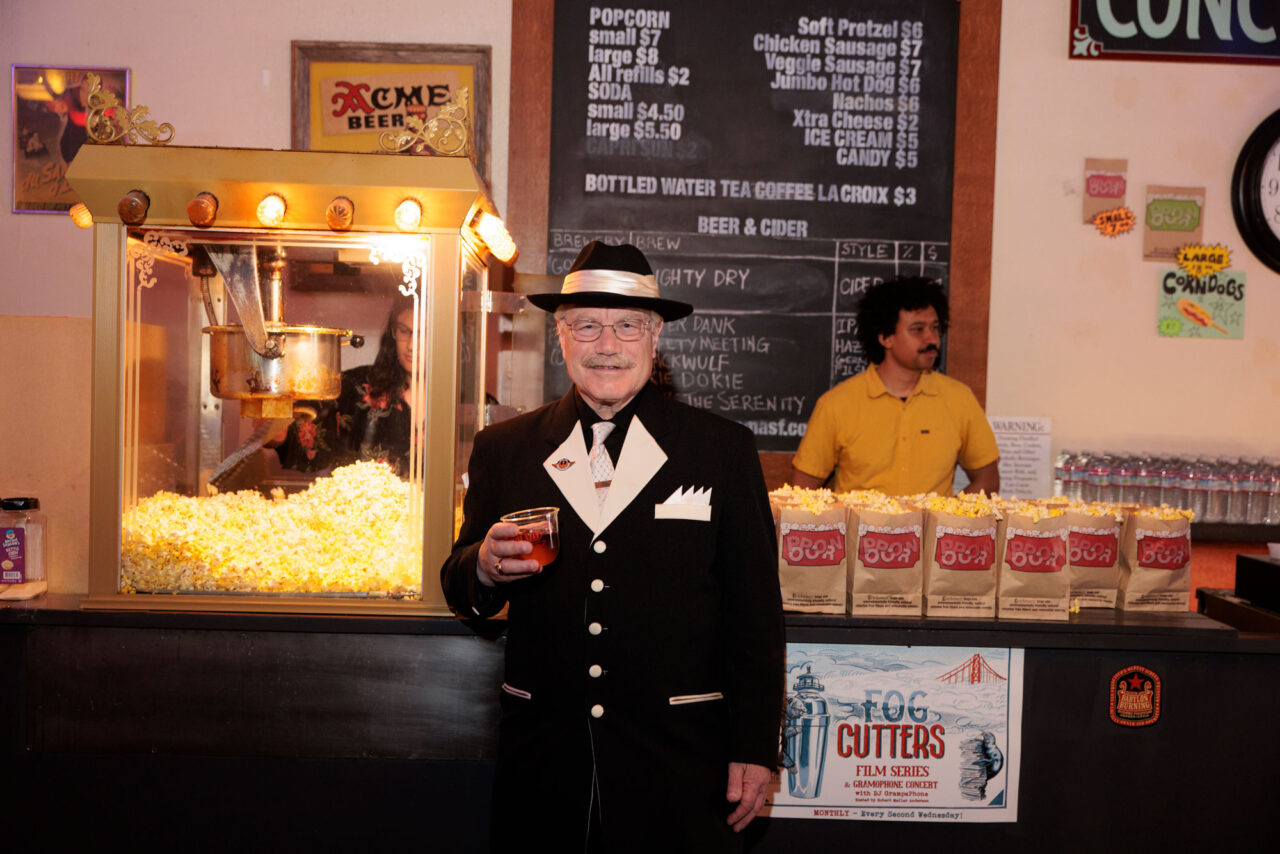
The Balboa is famed for its dynamic programming — developed by CinemaSFBay theater operators Adam Bergeron and Jaimi Holker — ranging from the Balboa’s annual Godzilla Fest to Mailer Anderson’s Fogcutter Film Series at the 4-Star, where he raps eclectic introductions to indie films accompanied by tunes spun on his trusty 1906 gramophone.
Hollywood is presumed to wear the crown of American filmmaking, but the precursor to modern motion pictures was first developed down on “the farm” in Palo Alto (later transformed into Stanford University). British photographer Eadweard Muybridge was commissioned by former California Governor Leland Stanford to animate equine racing images into The Horse in Motion (1878), often cited as the nation’s first “moving” film. San Francisco was also the site of turn-of-the-last century innovators (in 1906, the Miles Brothers built the first film studio on Market Street), as single-screen cinemas sprouted in every SF neighborhood to project The Jazz Singer (1927), which was partly filmed on location in Union Square.
In the 1960s, San Francisco developed into a hub for independent filmmakers — including Francis Ford Coppola (The Conversation) and George Lucas (THX 1138) — who reveled amid the city’s anti-studio freedom and scenic locales to produce their early career thrillers. Moreover, San Francisco Film just celebrated its 69th international festival, making it the longest-running filmic showcase in the Americas.
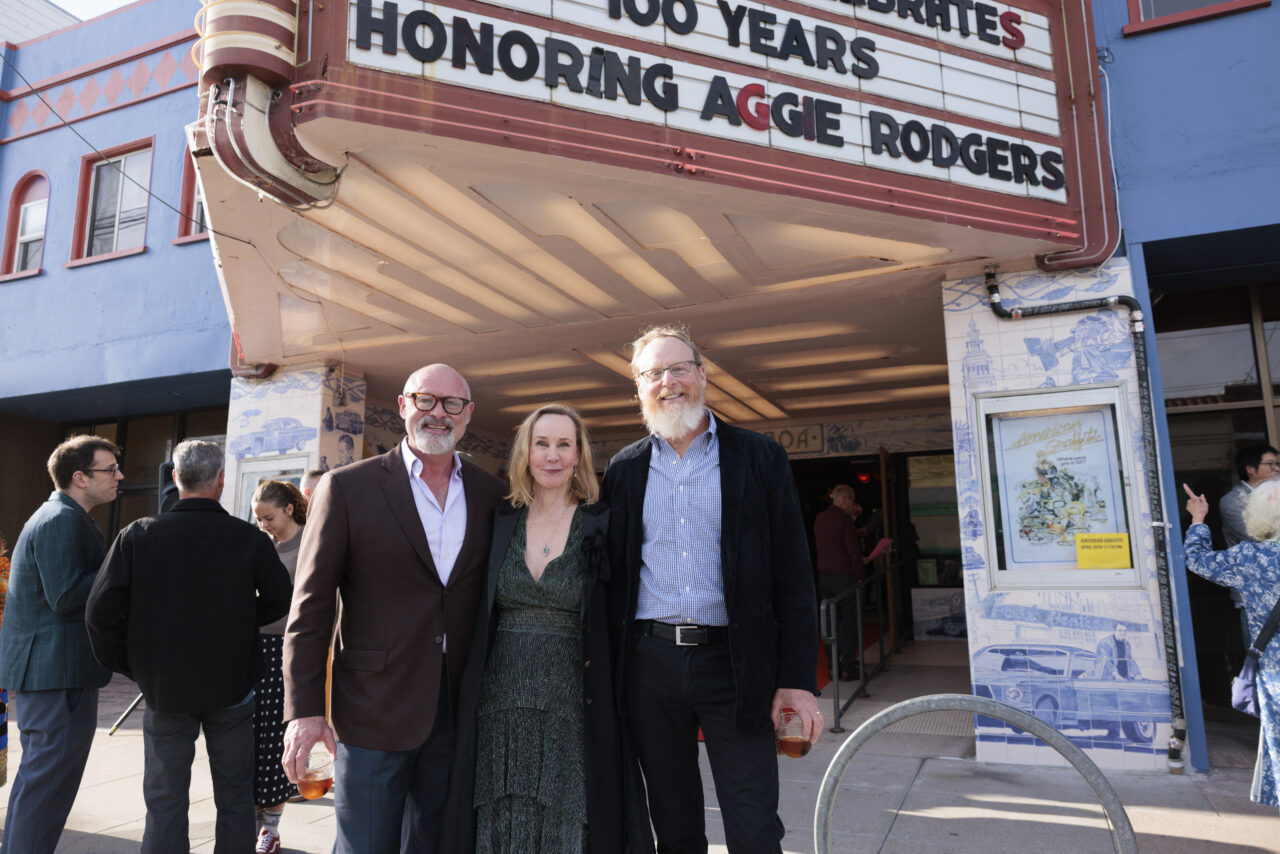
The lively celebration, featuring a civic proclamation to Aggie Rodgers by Mayor Daniel Lurie, was paired with joyful mariachi music, Fuwa Dumplings, and craft Rye-on-the-Road cocktails by mixologists Jon Gasparini and Greg Lindgren prior to sold-out screenings of George Lucas’ American Graffiti and Invasion of the Body Snatchers, directed by Phil Kaufman.
“I set ‘Body Snatchers’ in the city I love most in the world. We had a great time making it here — it was a golden age of filmmaking in San Francisco, and Aggie Rodgers was our costume designer of choice,” Kaufman said. “But like when I made that film, we’re, again, in a similar dystopian time of [alien] pods. As we say in the film, ‘Don’t fall asleep!’”
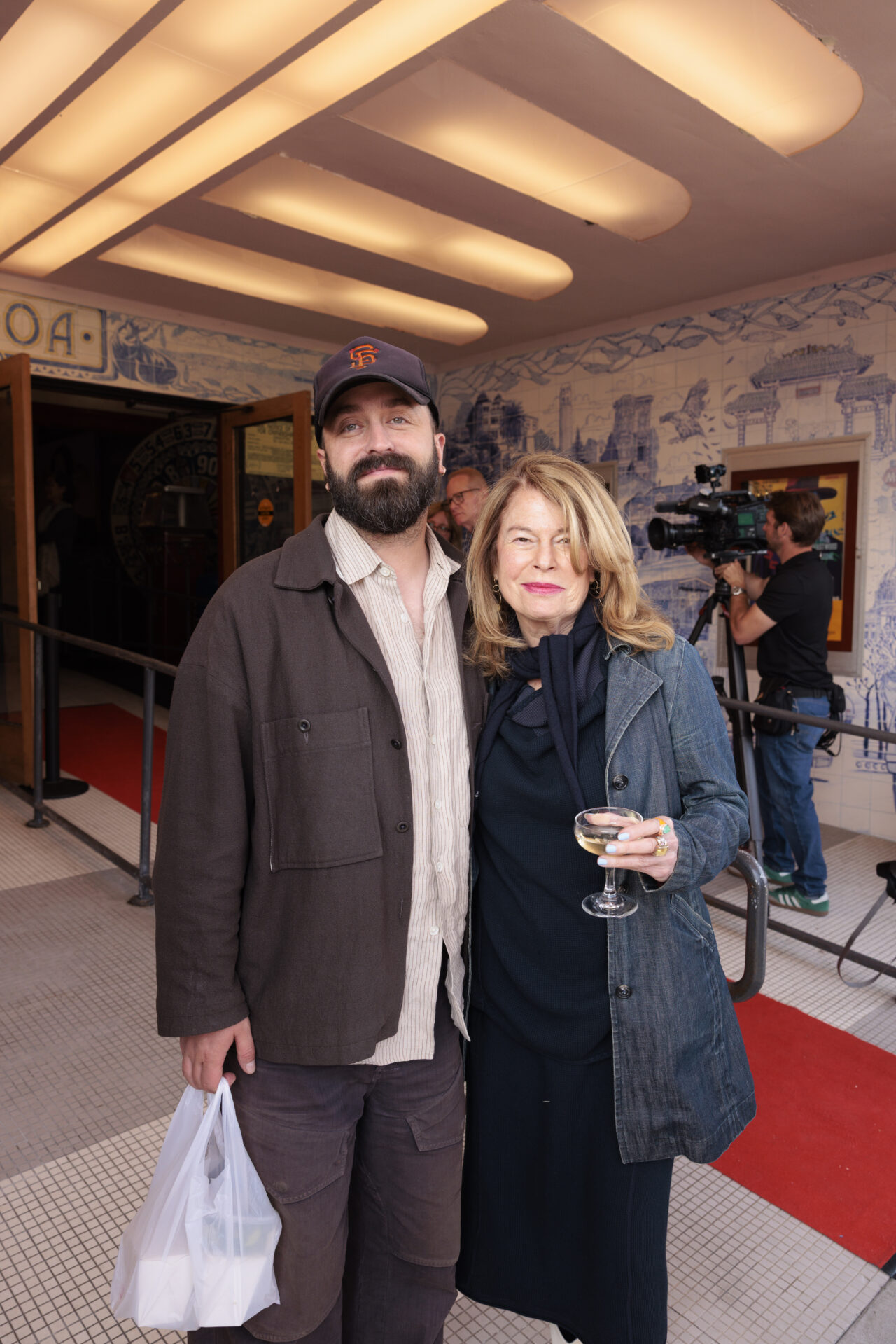
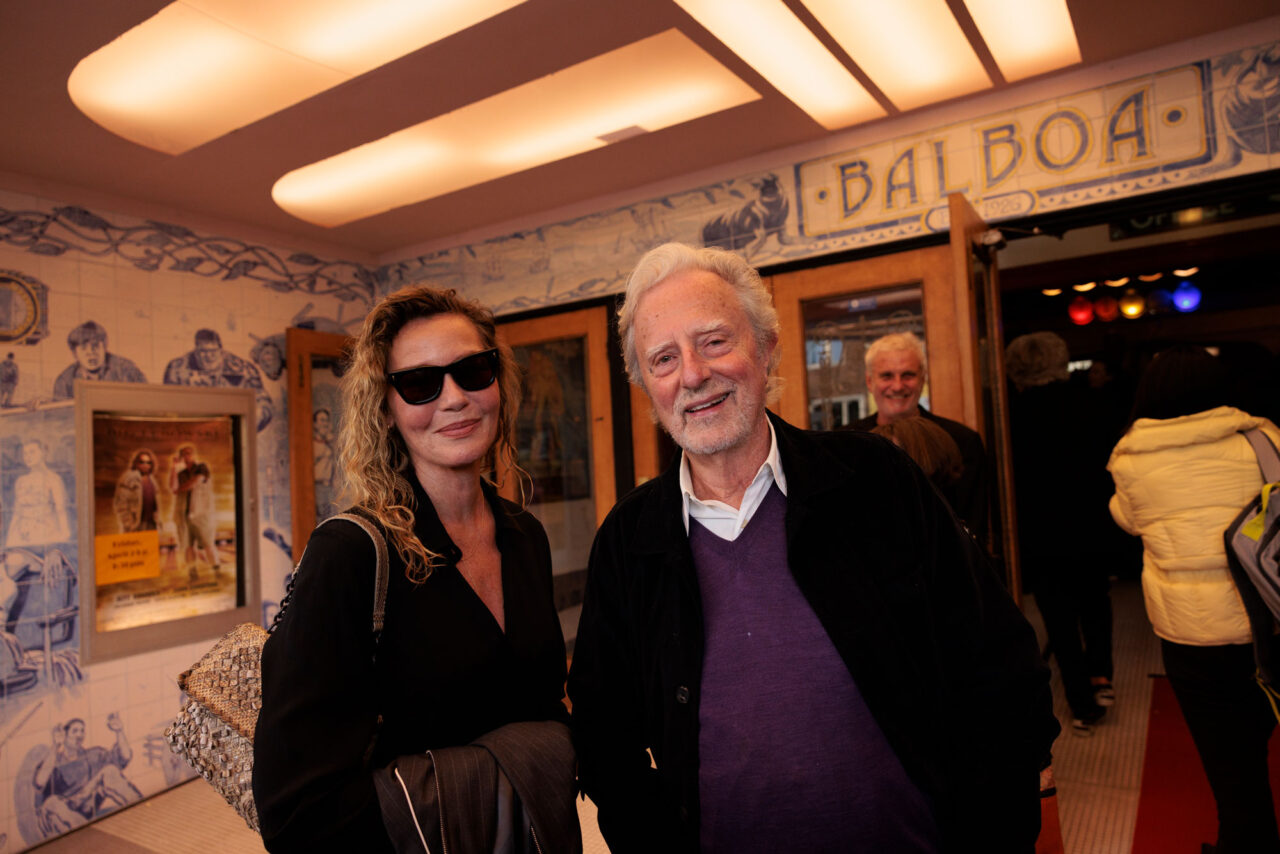
Also among centennial fans: actor Connie Nielsen; award-winning photographers Jim Goldberg and Alessandra Sanguinetti; authors Tom Barbash, Daniel Handler, Kevin Smokler, and Ted Gioia; Porchlight Storytelling cofounder Arline Klatte; documentarian Davia Nelson; theatrical director Jonathan Moscone; CinemaSFBay trustee Matthew Goudeau (also newly appointed as the City’s inaugural executive director of Arts and Culture); musician Chuck Prophet and fervent film fan Bruce Odze, a neighborhood denizen who traverses daily screenings among the Balboa, Vogue and 4-Star theaters.
Filmmaker Joe Talbot, a fifth-generation San Franciscan and director of the poignant Last Black Man in San Francisco (2019), recently established a film camp (48 Hills, 24 Frames) for high school teens and is thrilled by this resurgence of single-screen theaters. “There was a period during COVID when people feared that these neighborhood theaters wouldn’t make it out of those dark days,” he said. “But with theaters like the Balboa, the Roxie, and the Castro on the rise again, I’m really excited: The future is bright and the kids are all right.”
Feature image: The neon blade of the Balboa Theater in San Francisco has been glowing for 100 years.
April 30, 2026
Discover more STYLE news.