The hot-cold circuit is being reimagined as a gathering space where wellness, culture, and connection meet
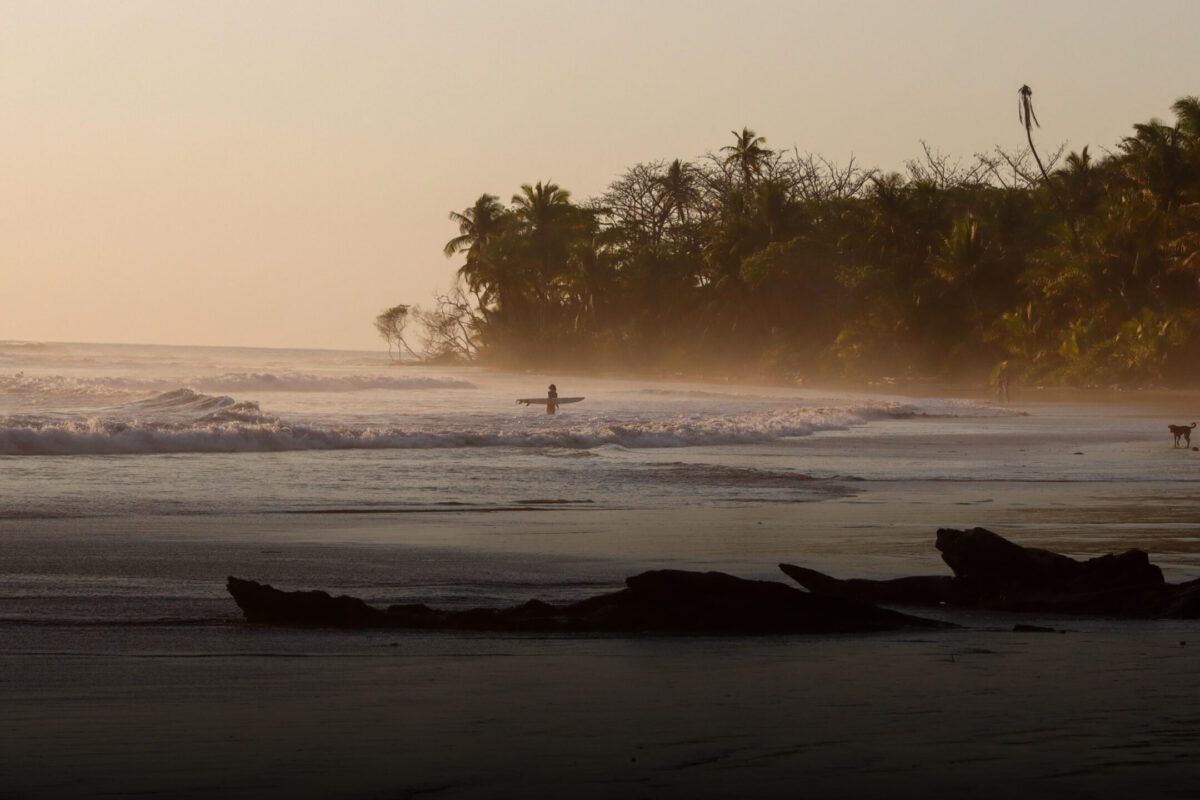
Early on a weekday morning in Sausalito, people climb down a narrow dock and jump into the San Francisco Bay. There’s always a moment of hesitation. Then they disappear under the surface, come up gasping, and start laughing. A few minutes later, they’re sitting shoulder to shoulder in a cedar sauna, wrapped in damp towels, talking to strangers as though they’ve known one another for years. No one checks their phone. No one is in a hurry to leave. This is Fjord, a floating sauna built from salvaged materials, tied up just off the waterfront and rooted in the Nordic conviction that moving the body between extremes of heat and cold is less a luxury than a necessity. You may have seen it on TikTok, a one-off experiment that’s an early sign of a larger shift. Versions of it are appearing across the state: places built around water in all its extremes.

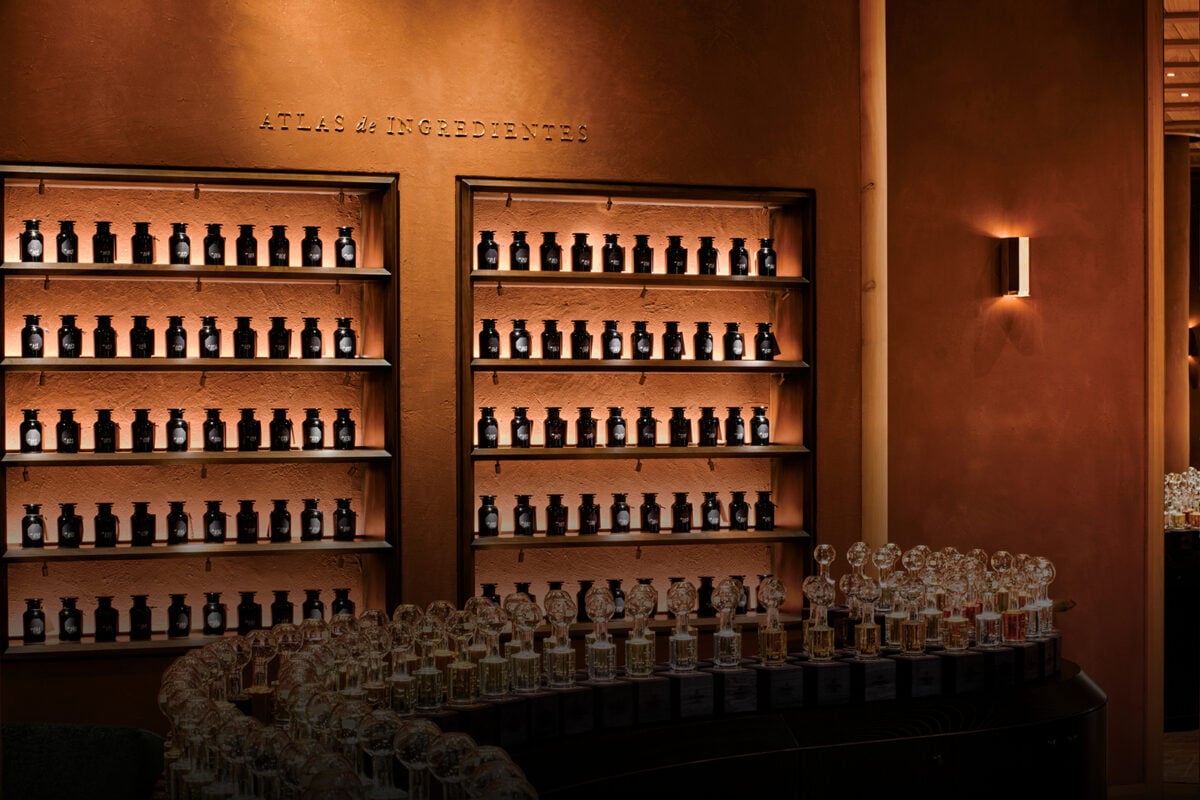
In San Francisco, Alchemy Springs is developing a 16,000-square-foot bathhouse with thermal pools, salt caves, and a large event sauna. In Los Angeles, Likeminded and Pause have turned the hot-cold circuit into a weekly ritual rather than a special-occasion booking. In West Hollywood, Remedy Place has the energy of a nightclub without the hangover. The spaces don’t serve the same purpose. Some are social by design, built for an evening out; some sit closer to traditional spa culture; some are built around guided protocols and measurable results. Thermalist, founded by Susanna Søberg, whose research centers on cold exposure and metabolic response, is expected to open in L.A. in late 2026. There’s serious money behind it: The global thermal spa and wellness market is valued in the tens of billions and is still climbing, helped by a growing body of research around heat, cold, and recovery. Cold exposure has been linked to the release of norepinephrine and dopamine and activation of the brown fat, the metabolically active tissue that helps the body generate heat. Søberg’s research suggests regular cold immersion can strengthen that response and improve blood regulation. The case for heat is even more established. A long-running study in Finland associated frequent sauna use with significantly lower all-causes mortality and reduced cardiovascular risk. Together, the hot-cold cycle works through hormetic stress — small, controlled doses of discomfort that help the body adapt, recover, and regulate stress more efficiently.
Bathhouse, a New York concept that turned a Williamsburg warehouse into a social wellness institution, has taken over the former Amoeba Music building on Sunset and is creating a 55,000-square-foot complex with pools, steam rooms, and a rooftop lounge. It’s expected to open in 2028, when L.A. will already be focused on athletes, recovery, and performance as host of the Summer Olympics. “The Games will impact L.A.’s infrastructure and add more intent to wellness and recovery spaces that will last well past 2028,” says Courtney Wittich, who writes SPA, a Substack newsletter about water and wellness.
At Fjord, cofounder Alex Yenni is direct about what the experience involves. “This isn’t a spa,” he says. “You’re jumping into 55-degree bay water and sitting on a wooden bench in a repurposed shipping container.” The people who keep coming back have surprised him — not the younger, outdoorsy crowd he anticipated, but women in their 40s and 50s, who return frequently. “Our most devoted regulars caught us off guard and forced us to examine why we were surprised in the first place,” Yenni says. What draws them, he thinks, is simpler than optimization: heat, cold water, a view of the bay, and other people willing to be in it with you.
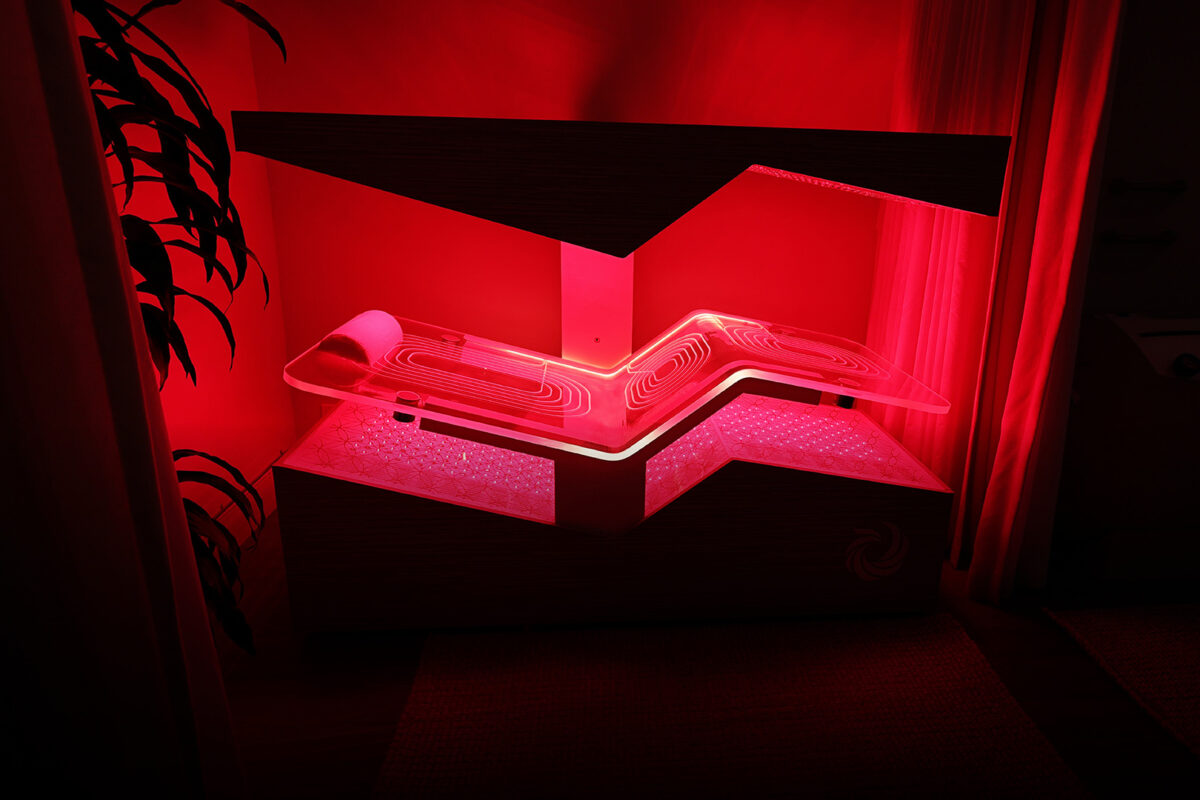
For years, the pursuit of better health operated in tension with social life. The choices that made people feel better helped integrate the two. Jonathan Leary kept hearing about it from clients at his private wellness practice: “The number one thing I heard was, ‘I feel incredible and you fixed all my health issues, but you ruined my social life.’ ” Remedy Place was built as a response. It’s a social wellness club, as Leary calls it, a place designed for an evening out, where the activity is an ice bath instead of a cocktail, the sauna becomes the gathering point, and staying longer than planned is the whole idea. The ritual is familiar. The substance has changed.
The hot-cold cycle helps the body adapt, recover, and regulate stress.
California makes this practice easier than most places. The geography alone covers more of the thermal range than almost anywhere else in the country: Pacific coastline cold enough to stop your breath, desert mineral pools, mountain snowmelt running into the valleys, and natural hot springs fed by the same fault lines that define the state’s geology. Add to that a population shaped by generations of immigration, and you have something rarer still — a place where Korean jjimjilbangs, Japanese onsens and sentōs, Russian banyas, and other traditions have coexisted for decades, often side by side. “California has options,” Wittich says. “We’ve got the ocean, we’ve got hot springs, and then we’ve got all these different bathing cultures sitting next to each other. We have it all.”
Those traditions were never trends to the people who practiced them. For Korean Angelenos, the jjimjilbang is just where you go — part hygiene, part ritual, part social hour; visited regularly and without fanfare. Beverly Hot Springs, built over the only natural artesian well in Los Angeles, started attracting supermodels between shoots — Cindy Crawford, Christy Turlington, Naomi Campbell — who mentioned the mineral waters in interviews. For many people, it was an introduction to Korean bathing culture.
Elsewhere, the state’s natural springs have been drawing people for much longer. Water filters through fractures in California’s mountain ranges, heats deeply underground, and rises back up rich in minerals, running its own thermal circuit long before anyone builds a cedar room around it. Along the cliffs of Big Sur, Esalen Institute has sat above the Pacific since before it had a name; the Esselen people used the site for 6,000 years before Michael Murphy and Dick Price opened the center in 1962. In the desert, Two Bunch Palms has been a retreat since the studio era, its mineral pools fed by water dating back 600 years. None of it was designed to scale. The water was there, and people kept coming back. “We’re creating something new around practices that are ancient,” Leary says. “The evidence is the history.”
There are limits. Some of the hot springs that used to be open are now part of resorts or locked behind permit systems. And there is the question sitting plainly in the background. “We’re having a bathing renaissance in a state that is perpetually in drought,” Wittich says. Still, people keep showing up, and new places keep opening. At Fjord, Yenni has watched the same scene play out hundreds of times. “Many claim they won’t do it,” he says. “No jumping, no swimming, no plunging.” Then they do. People come for the heat, the cold, the recovery, the ritual— whatever they want to call it. They stay for something more meaningful: the chance to feel better, together.
This story originally appeared in the Summer 2026 issue of C Magazine.
Discover more WELLNESS news.
See the story in our digital edition