CEO Sabina Belli hosted an intimate dinner spotlighting bold stones and women’s initiatives following a ribbon-cutting at the new Beverly Hills boutique
Words by ELIZABETH VARNELL
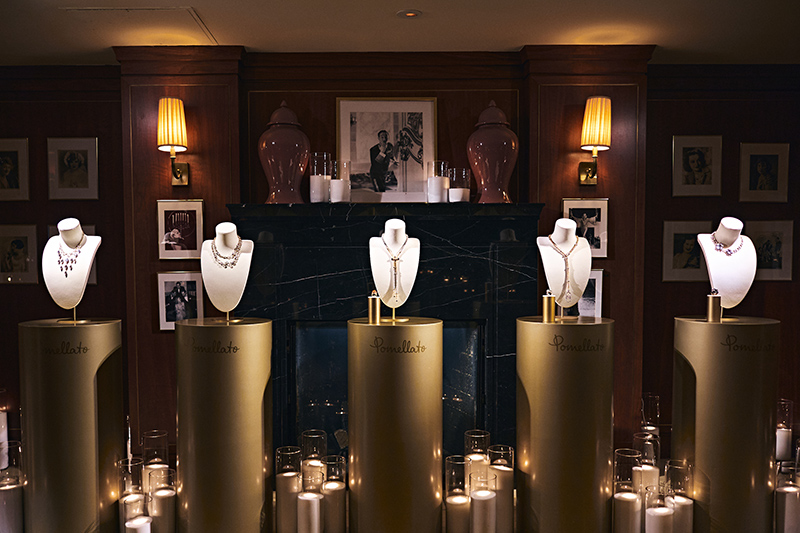
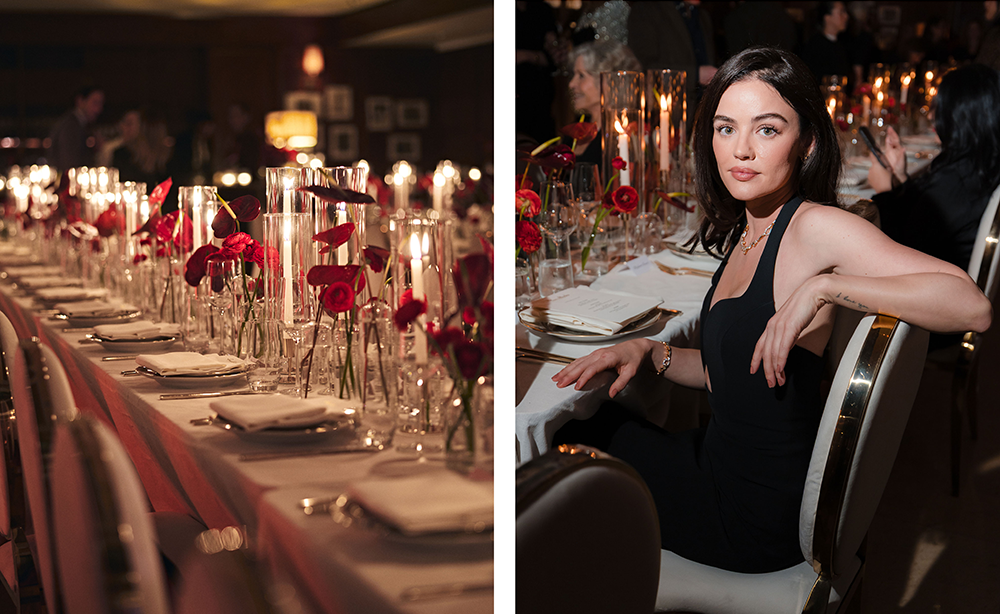
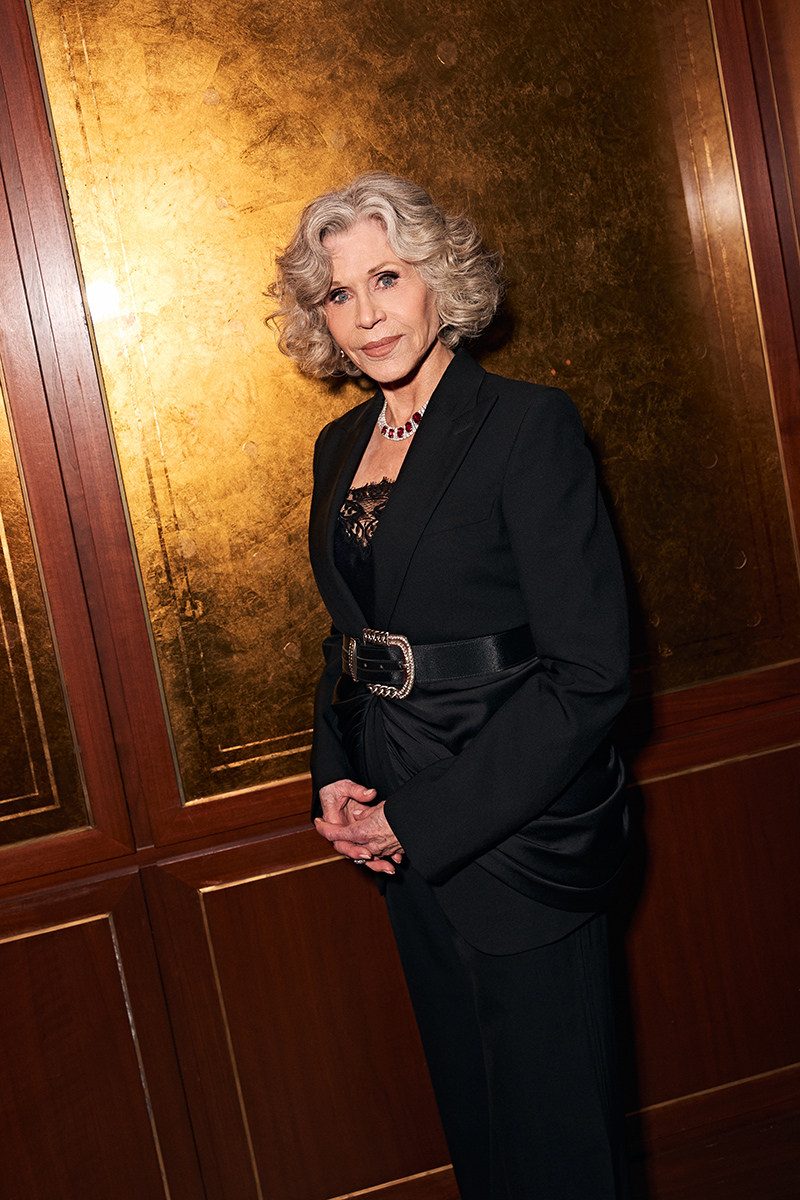
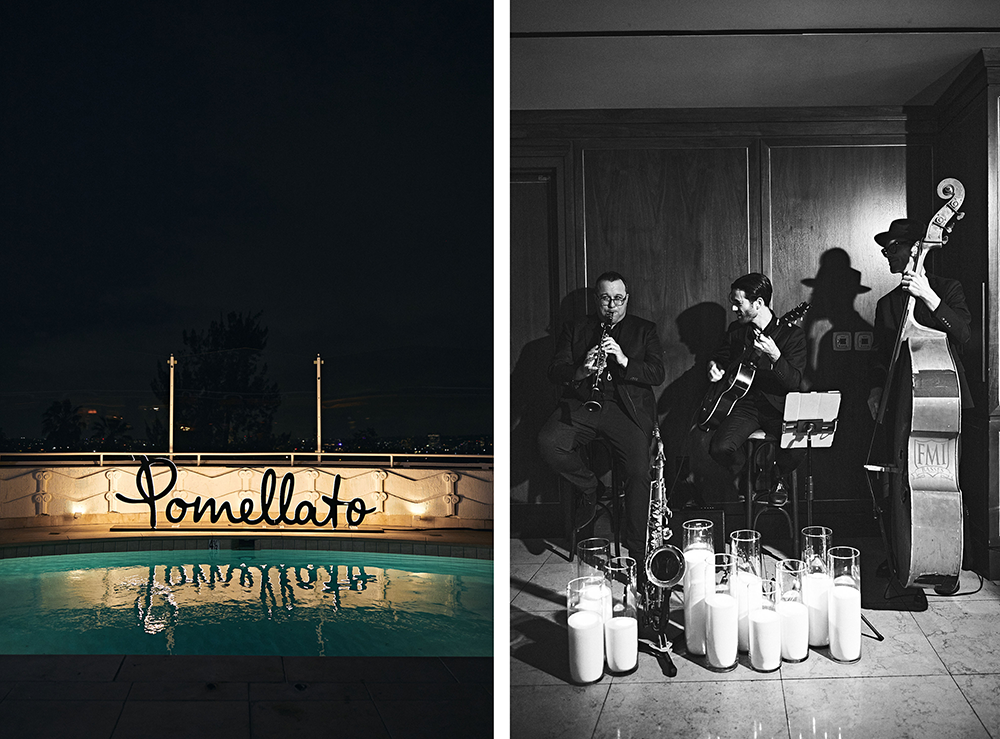
Pomellato CEO Sabina Belli joined Guillaume Cousin, the jewelry house’s Americas CEO, to host an intimate dinner on the Sunset Tower Hotel’s terrace celebrating Milanese craftsmanship and the creativity of independent-minded women on Tuesday, February 10, in West Hollywood. After gathering for a ribbon-cutting ceremony at the house’s new Beverly Hills boutique earlier in the day, Belli and Cousin joined actor-activist Jane Fonda; actor, producer, director, and activist Kerry Washington; and French actor and advocate Philippine Leroy-Beaulieu, along with a host of guests, all of whom got a look at high jewelry necklaces paired with rings and earrings on view for the evening.
“Here, these industrial links are somehow a bit transgressive, and almost don’t seem to belong to the world of jewelry, but they do.”
Sabina Belli, CEO of Pomellato
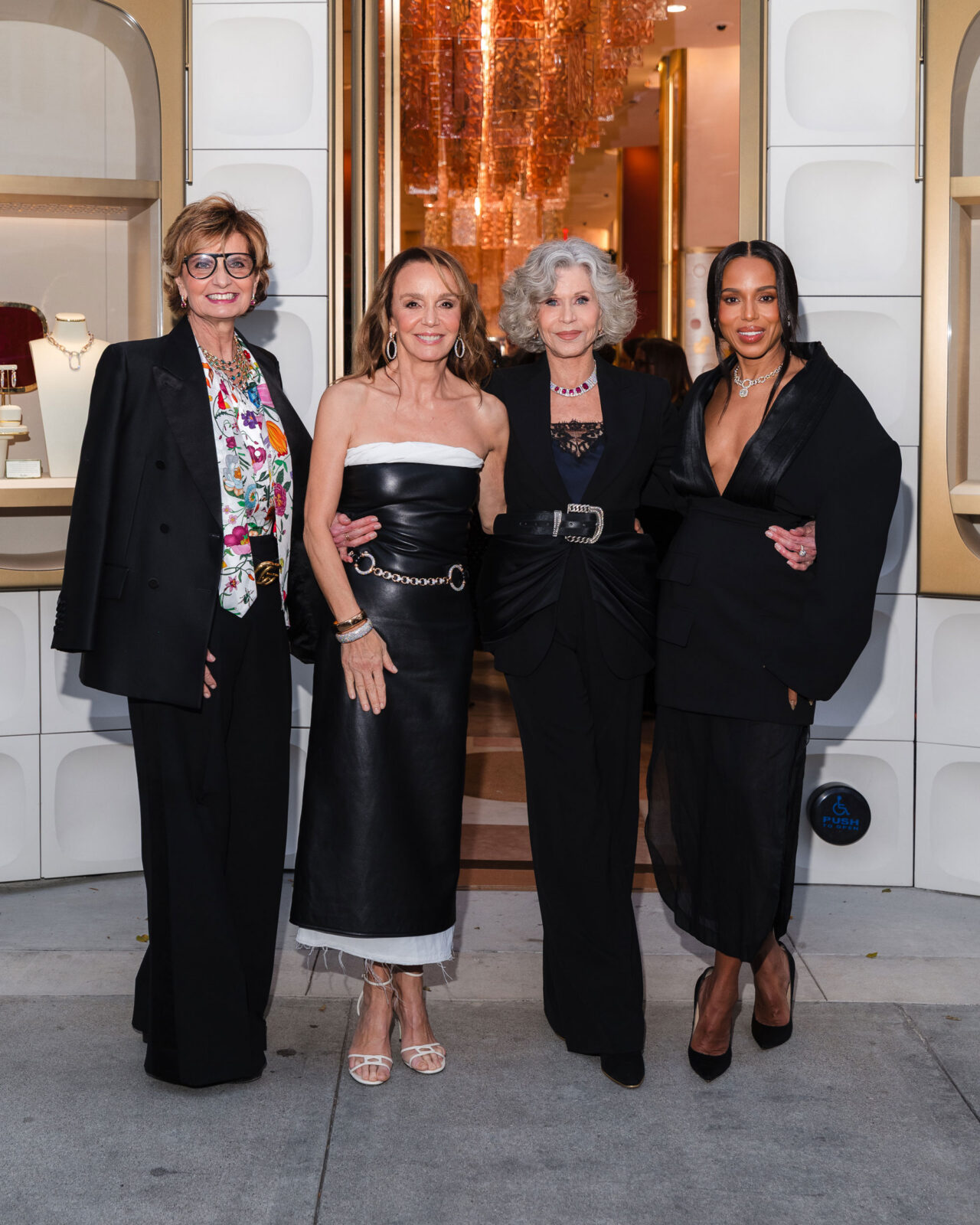
Fonda — a lifelong advocate for women, peace, and social justice dating to the 1960s, when Pomellato was founded, as well as climate action — joined Washington and Leroy-Beaulieu in promoting gender equality and female empowerment for the brand’s global initiative, Pomellato for Women. They recorded conversations on the topic that are slated to be released for International Women’s Day next month, and the evening in West Hollywood celebrated their ongoing creative work and advocacy. We sat down with Belli to discuss Pomellato’s women’s initiatives, cherished chains, and what she calls “the Milanese vibe, lifestyle, and design” of the new L.A. boutique.
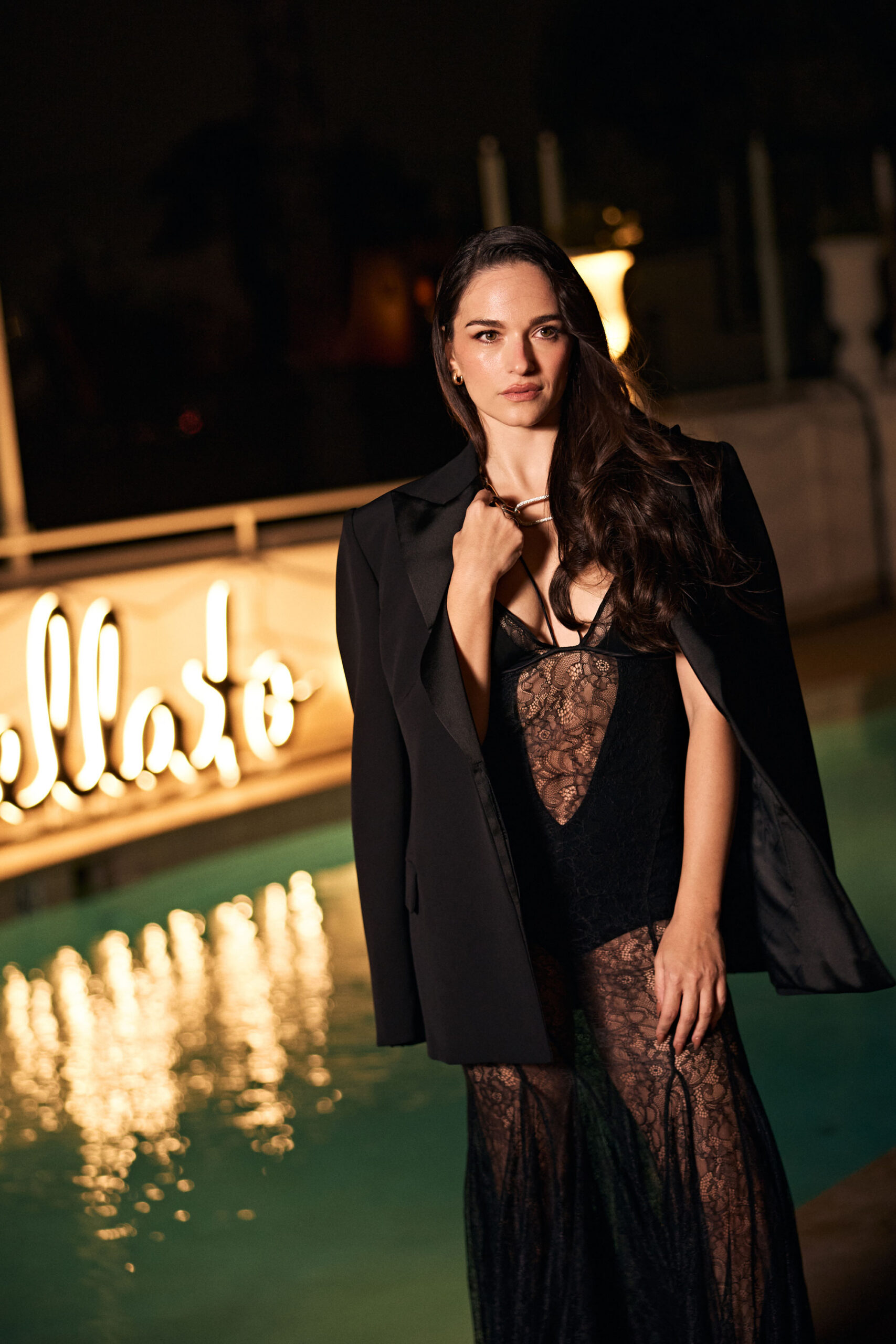
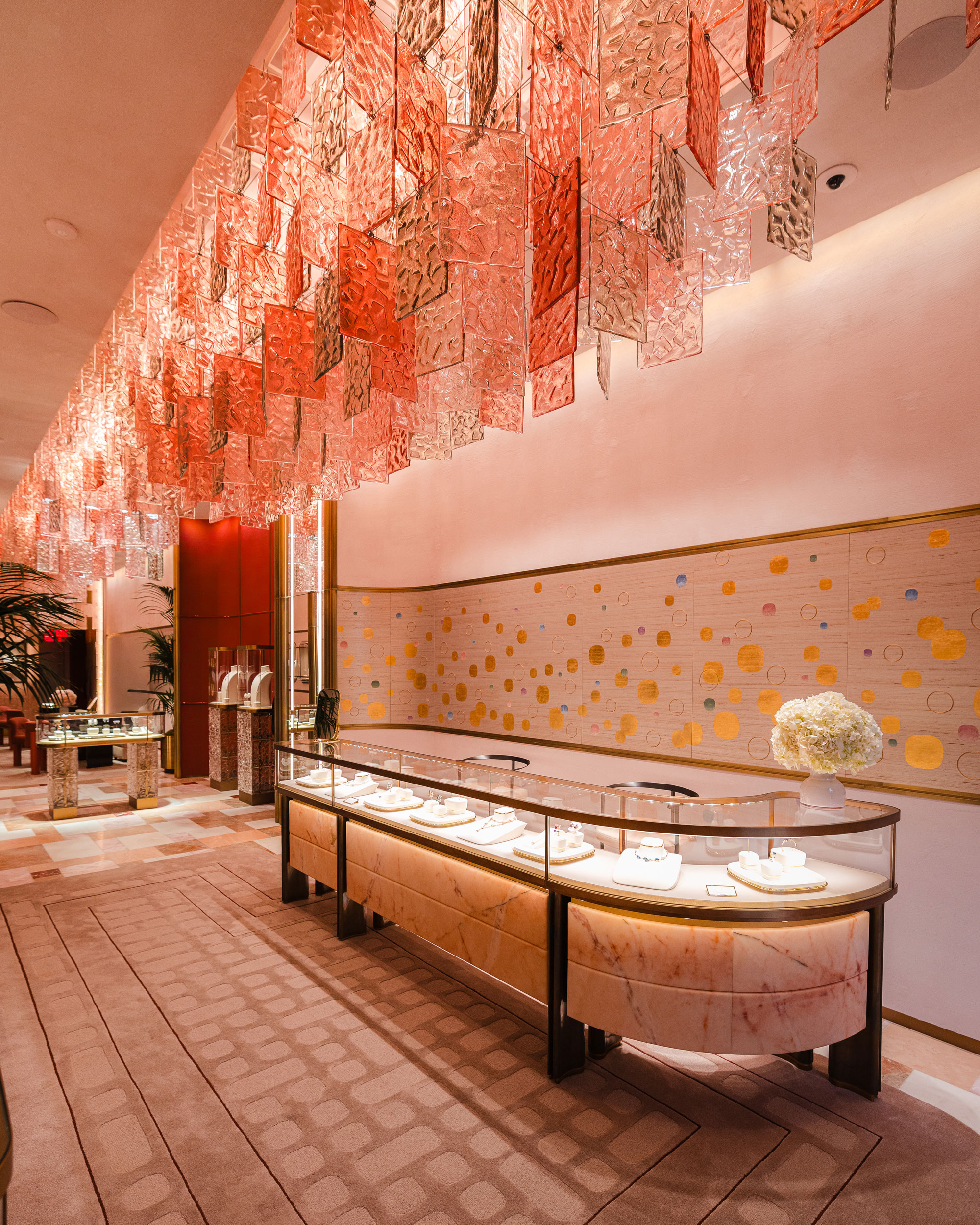
Belli says Pomellato’s ongoing dialogue with California’s creative culture helped shape the new boutique designed by Dimore Studio, a group of Italian architects. “They really gave us this extremely strong, very powerful, and very close to reality, vision of what a Milanese interior could be in terms of highlighting aspects of all those different architects and designers who worked on the post-war renovation of Milan,” Belli says. But L.A. is so bright and so luminous with sunlight that they softened the Montenapoleone Red palette to an understated blend of red, pinks, and copper.
Light also looms large in paintings, and for Belli its particular influence in Europe has had a lasting impact on color and design. “You find this in the global history of art, of course. Everything starts from the light. Vermeer was from the north, and all his paintings are so dark, playing with the shadows, the lights of the candles,” she says. But when painters arrived in Florence or Rome, they found a very different palette. “And so, the further south you go, the more the light is prominent, and really directs the art. And Milan has this austerity to it. It’s grayish, darkish, more under the radar,” Belli adds. To her, the city mimics the blues, grays, and beige hues with dashes of red favored by the late Giorgio Armani, a palette tapped by many of the area’s more radical architects and artisans. “The brutalism was very much expressed in Milan,” she says. “Lots of architecture with strong concrete and these very industrial shapes.”

These ideas fueled Pomellato’s metal chains, which are modeled on industrial material used for everything, but rendered by the Italian house’s goldsmiths into shiny links paired with caftans, suits, gowns, and T-shirts worn with jeans. “Every single chain has a specificity in terms of the links, because there is a huge amount of engineering necessary to make sure that the weight and the tension of the chain is proper,” Belli says. Through the language of jewelry, the chains are transformed into elegant elements in the house’s Nudo, Iconica, and Catene collections as well as high jewelry designs incorporating diamonds, but also the colored mineral gemstones like quartz, lapis, and topaz that have been staples since the house’s inception. Pomellato’s high jewelry collaboration with Gucci helmed by Demna is headlined by massive chain links paired with leatherwork. “Here, these industrial links are somehow a bit transgressive, and almost don’t seem to belong to the world of jewelry, but they do,” Belli adds.
Next year the house will celebrate the 60th anniversary of its founding, and Belli points out that women were pairing Gucci’s Jackie bags with Pomellato chains then, as they are again now. “The iconography of those days, it’s so still sexy and appealing, because it was the golden years of Portofino and Capri.” The look has resurfaced, filling TikToks and fueling searches for era-defining vintage. The significance of 1967 as a pivotal year in the evolution of women’s rights, the counterculture, civil rights, and a new spirit of freedom in clothes, music, and culture has remained a key design tenet. “There was a kind of wish to break the codes and the rules,” Belli says, and Fonda was there for it all. The conversations she started are ongoing.
Fonda, Belli says, also navigated many of the hurdles young women continue to face, from pay disparity to relationships to prioritizing family or work. Now in its ninth year, this March Pomellato for Women is focusing on economic violence. “That is one of the more secretive and less visible ways women face discrimination, whether in terms of paying them less than men or in a household, having an unequal, uneven weight in terms of money,” Belli says. Fonda, Washington, and Leroy-Beaulieu will most certainly have something to say about it.
February 20, 2026
Discover more STYLE news.