Part writers’ salon, part surfers’ paradise, the Conrad family home has always had a story. Designer and family member David Cameron just gave it more room to tell it
Words by LORIE DEWHIRST PORTER
Photography by JACOB GUTHRIE
The California coastline boasts many breathtaking spots, but Rincon Point is in its own category. Immortalized by the Beach Boys in 1962 in “Surfin’ Safari,” the Queen of the Coast is nestled at the knuckle of Santa Barbara and Ventura Counties, and it hosts peerless cylindrical waves that lure surfers from around the world. Witnessing this spectacle is a small community of homes developed in the ’50s, a close-knit neighborhood with second- and third-generation owners. Designer Kendall Conrad grew up at Rincon, and her family home recently got a thoughtful refresh by her husband, David Cameron.
“It’s like a living organism. It’s fun to keep it evolving.”
Kendall Conrad
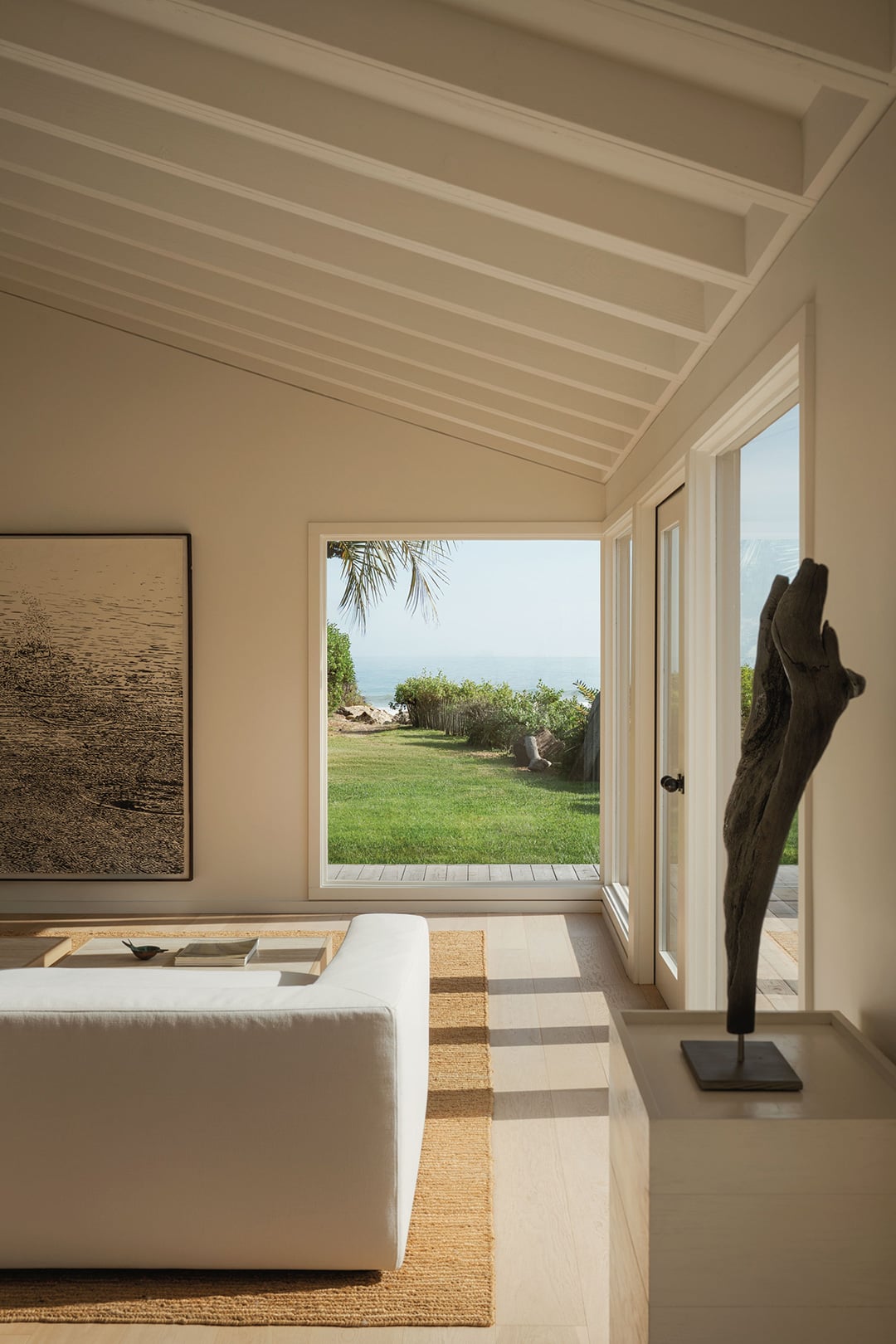
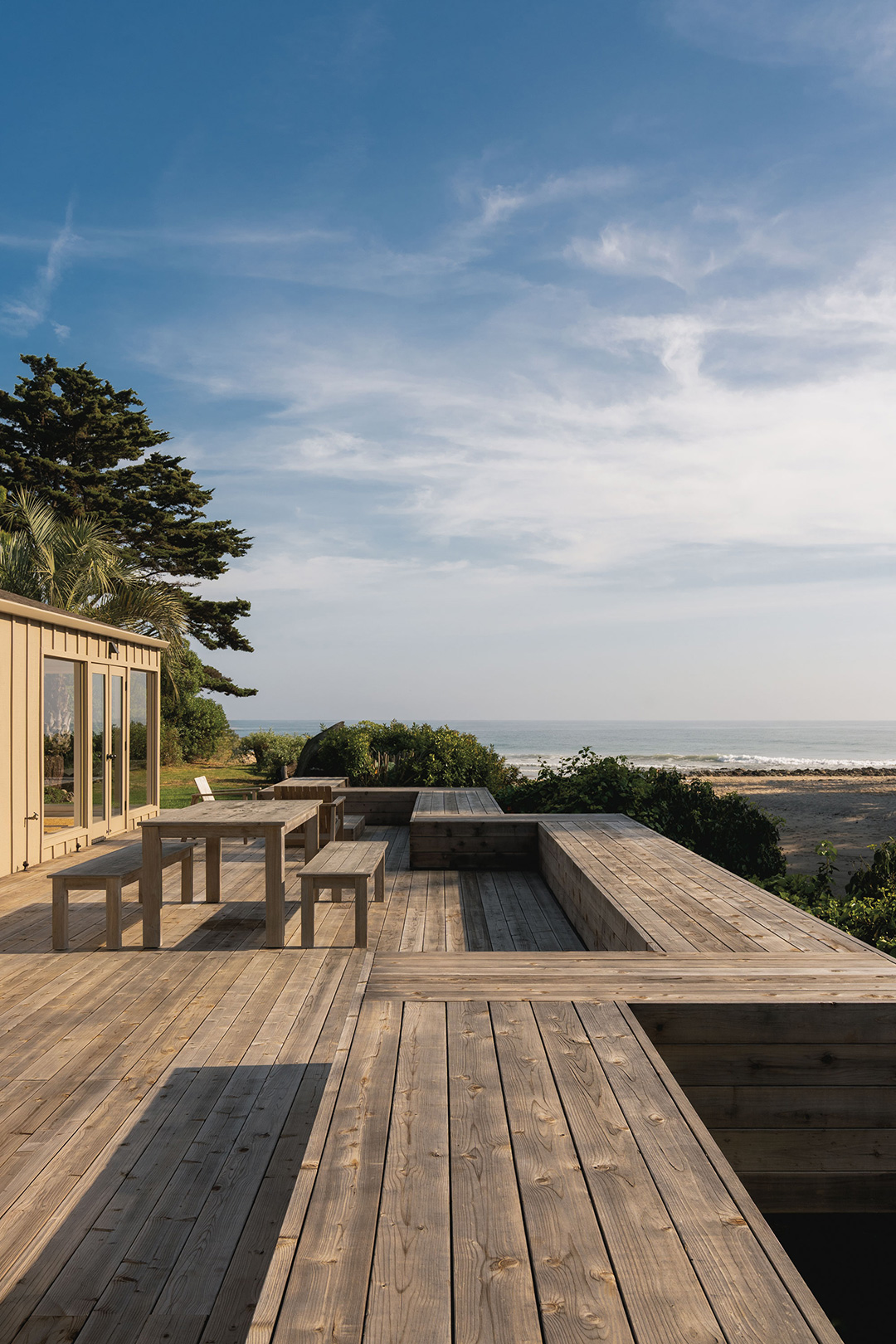
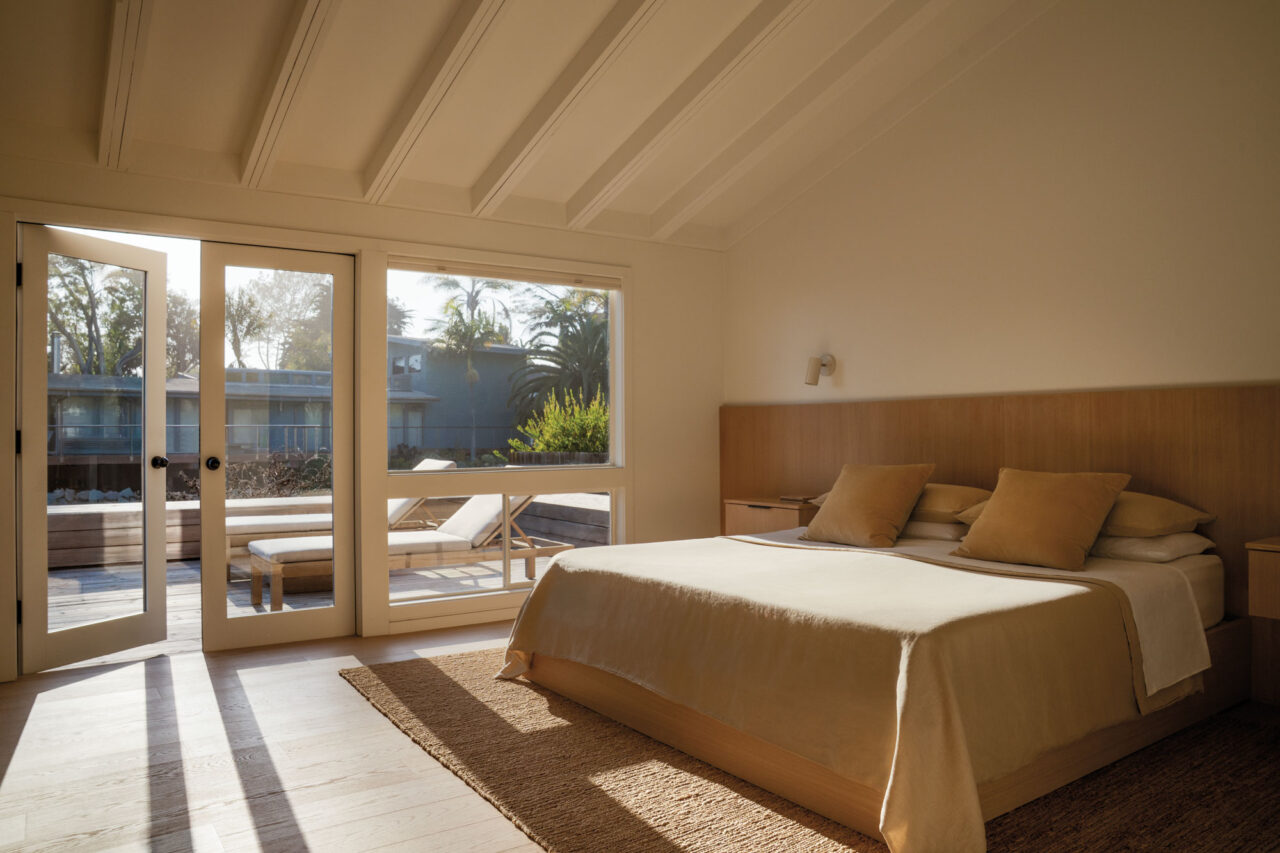
The home’s design strongly resembles Sea Ranch, the Sonoma County planned community established in the ’60s. A hybrid of modern and vernacular architecture, the original Sea Ranch homes featured plain wooden siding, ribbon windows, shed roofs, and lots of natural light. Built in 1967, the Conrad house shares all those features. Its creator, Adolph Rosekrans, attended architecture school at UC Berkeley, where Sea Ranch’s architects were faculty members. Rosekrans’s design showcases one of the primary goals of modernism: to bring the outdoors inside. The famous surf is visible from nearly every room, and the dramatic geometry of the interior spaces facilitates a constant but changing influx of natural light during the day. Simple redwood decking surrounds the home, enhancing the indoor-outdoor nature of the architecture.
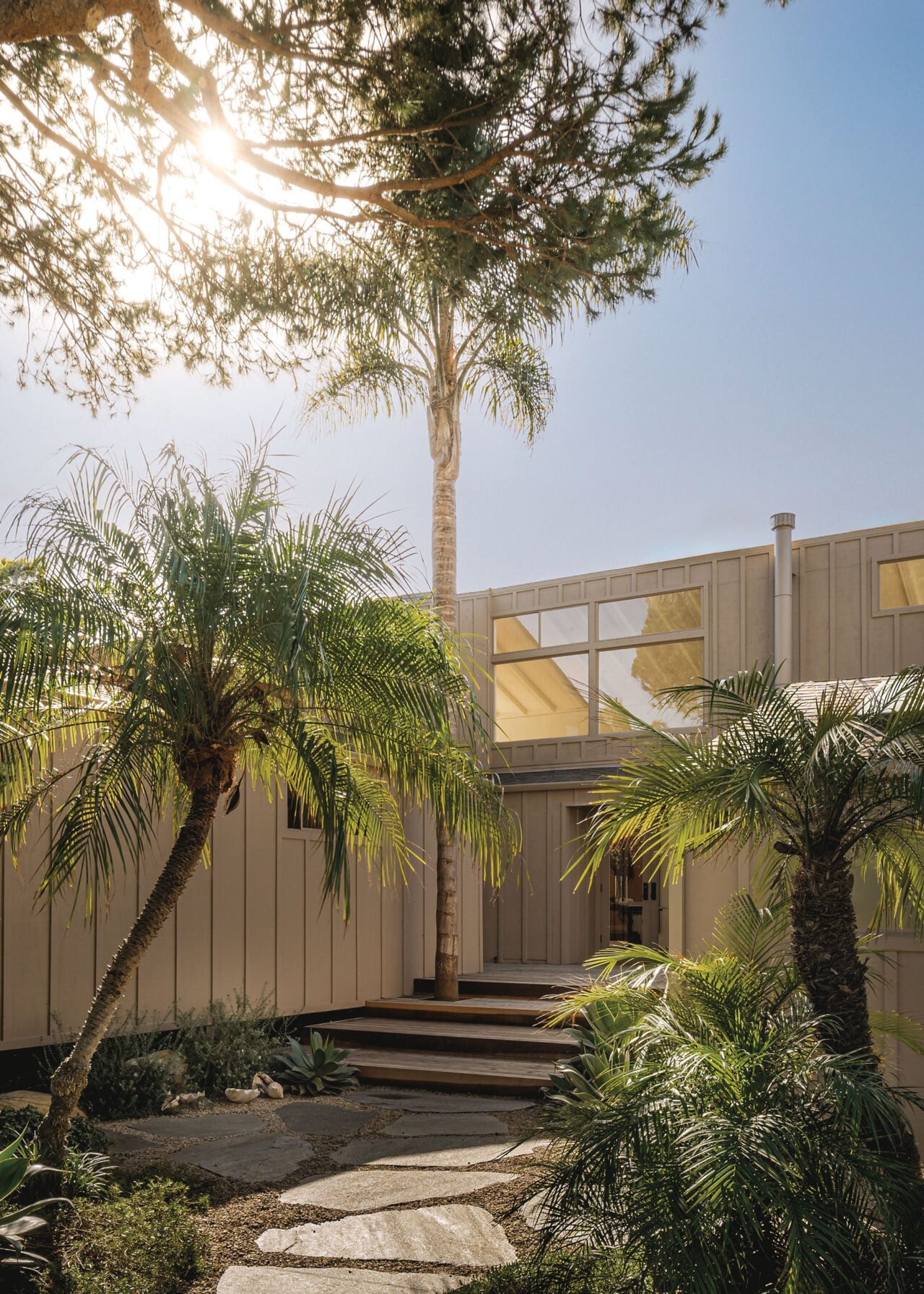
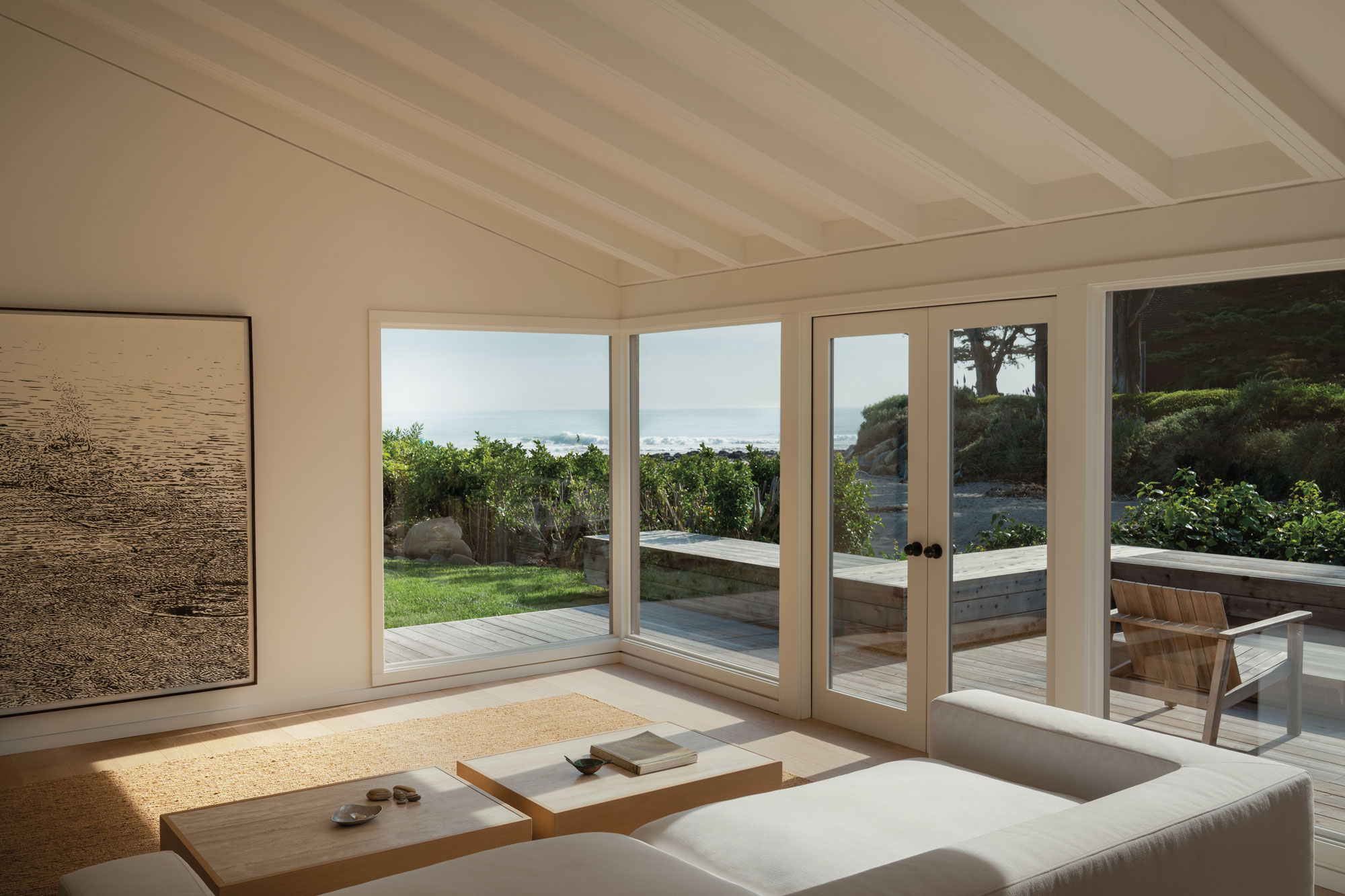
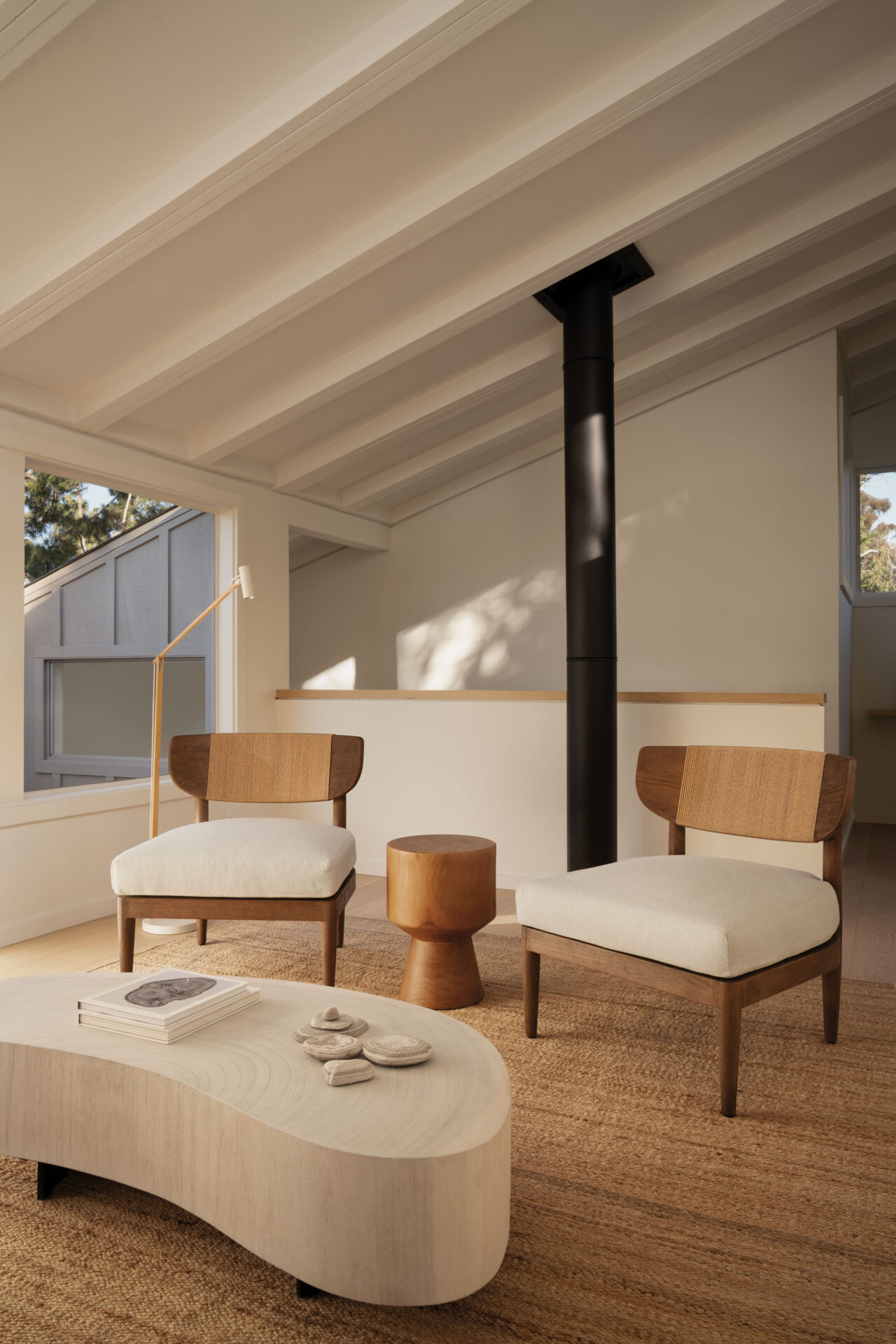
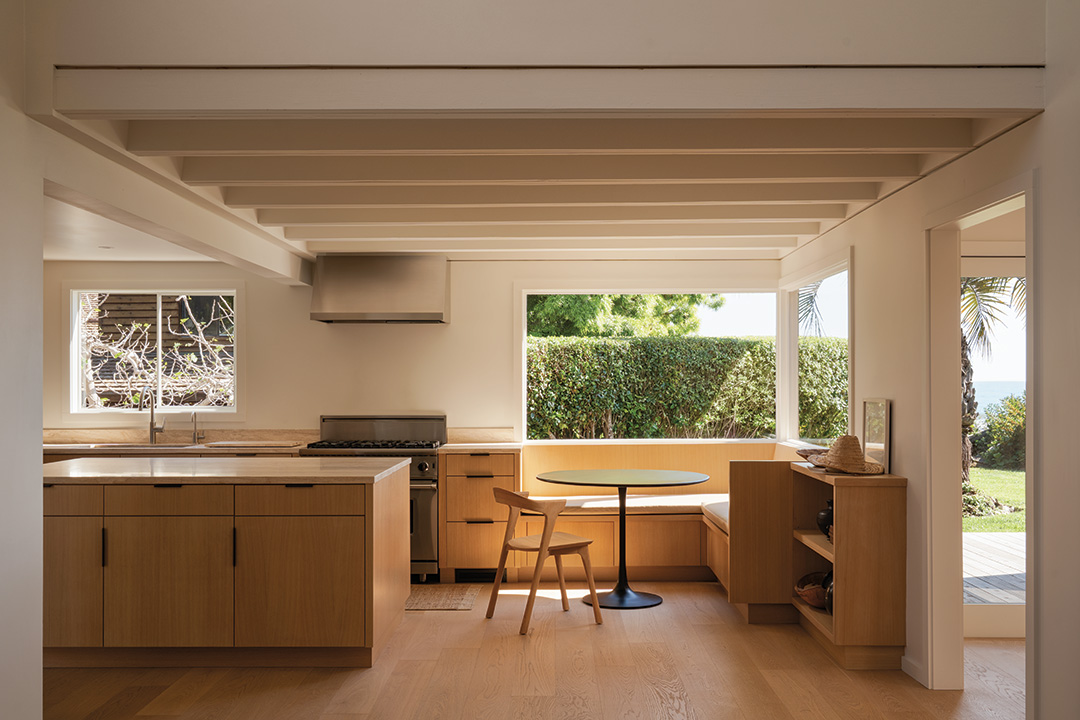
In short, the house started with very good bones. Updating it wasn’t about changing its identity “but about making it livable for us now, while keeping that sense of continuity intact,” Cameron says. “It was about making careful adjustments so the house could continue to evolve without losing what made it feel like itself. The first responsibility is to the architecture — understanding what was intentional, what has aged well, and what simply needs to be clarified.” The ’70s-era dark brown ceiling beams were painted white, and the Saltillo tile floors were replaced with wood. Cameron designed the sleek custom white oak millwork throughout the house, in keeping with an overall neutral palette — simple but powerful changes. Now, Cameron says, “The light carries further, the spaces breathe more easily, and the ocean reads as an extension of the rooms. It was just about refreshing a really nice piece of architecture.” Conrad agrees. “I love what David created. The house is so much lighter and more spacious now.”
“The light carries further, the spaces breathe more easily, and the ocean reads as an extension of the rooms.”
David Cameron
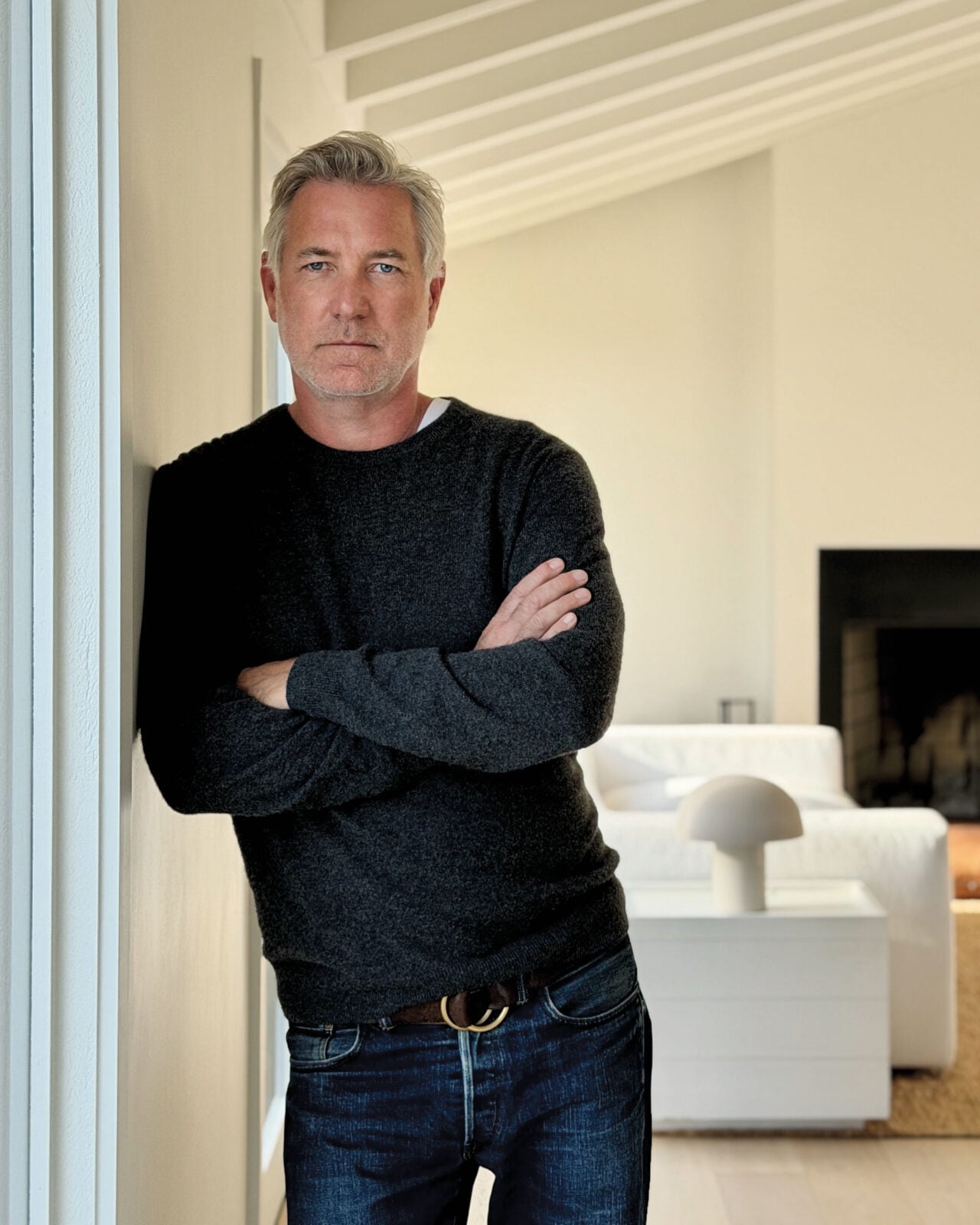
Unlike his other projects, Cameron has a long history with the house. “It was right after my senior year,” he says. “And that summer I met Kendall.” At the time, Conrad’s parents, Barnaby and Mary, were leading a salon-like existence at the house, having started the Santa Barbara Writers Conference, a weeklong convocation of renowned and aspiring authors. (After more than five decades, the Writers Conference is a big part of Santa Barbara culture.)
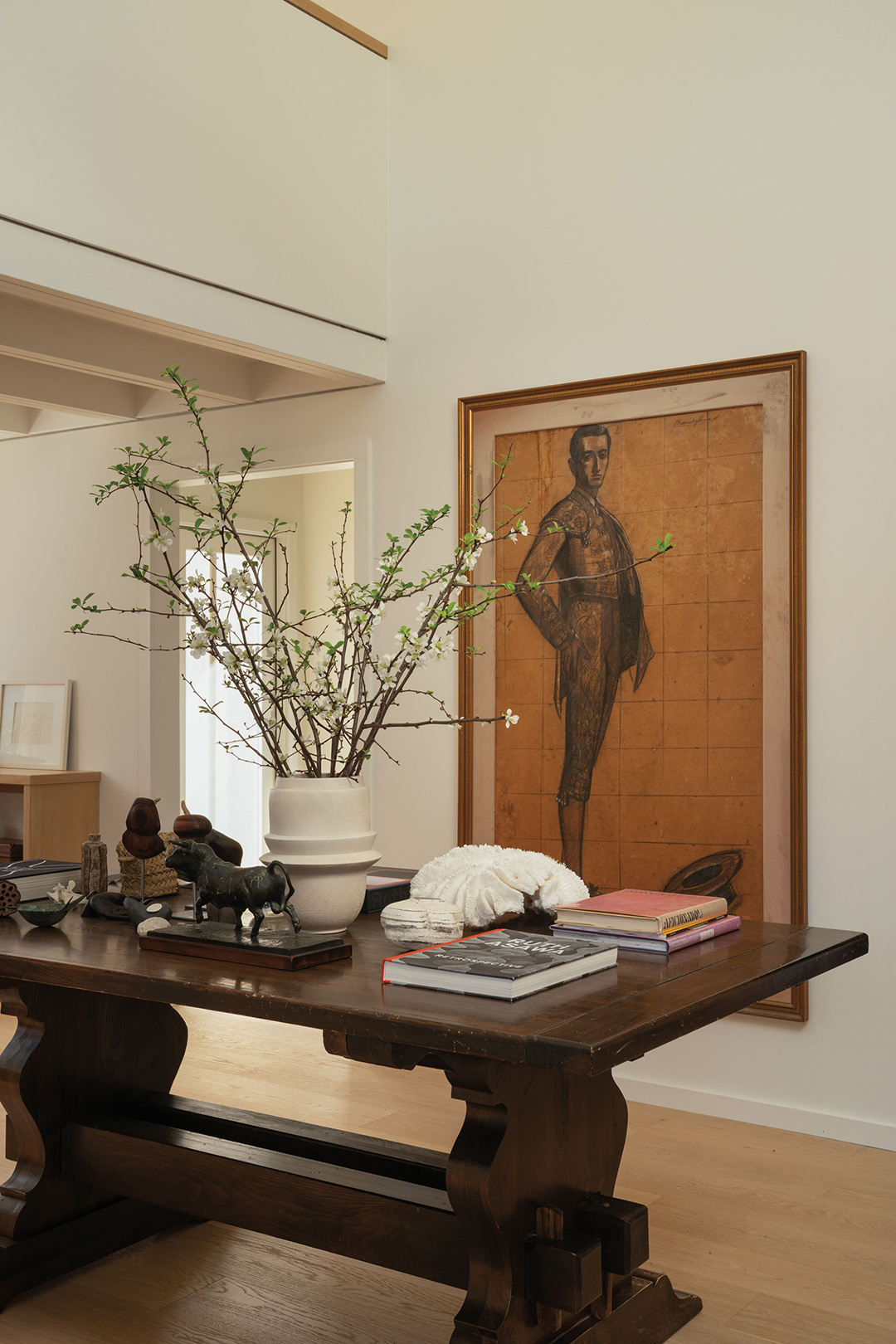
Barnaby Conrad was, among many other things, a writer. His 1952 novel, Matador, based on his bullfighting days in Spain, sold three million copies. He also owned a wildly popular bullfighting-themed nightclub and bar, El Matador, in San Francisco. (The leather-bound El Matador guest book, packed with pen-and-ink drawings by bold-faced authors and movie stars, rests on a shelf in the house den.) He kept company with literary luminaries like John Steinbeck and Sinclair Lewis. He was also an artist: His hand-drawn portraits of friends Truman Capote, James Michener, and Alex Haley are in the Smithsonian’s National Portrait Gallery in Washington, D.C.
Given her parents’ high-profile lifestyle, Conrad’s childhood was anything but ordinary. Her memories include weekend lunch parties with guests like Haley and Michener. “There was always a party,” she says. “My mom was a great cook. We do quite a bit of entertaining as well, but not to the extent of my parents. It doesn’t get quite as wild as those days.” The house’s decor was eclectic, like its owners. “The house was like a museum,” Conrad says. “They had so much stuff in it. They collected everything from their travels around the world. There wasn’t one inch of wall space for artwork because all my dad’s artwork was up.” Cameron’s impression of the Conrad household is reverential. “I’d never been in a space like that,” he says. “It was so interesting; there was so much of their life out. All Barnaby’s bullfighting paraphernalia, and letters from Bing Crosby and Hemingway framed. It was just their life. It was everywhere.”
Conrad and Cameron went their separate ways for several years while Barnaby and Mary continued their glamorous life at the house. Conrad’s modeling career took her to Milan, Paris, and New York. (Paris Review said, “Modigliani likely would have loved her.”) Cameron moved to New York and started a successful sportswear line, later shifting to directing music videos and creating commercial campaigns for clients including Adidas, Verizon, and Polaroid. The pair reunited and married in 1996 on the lawn overlooking the ocean at the house. In 2010 they combined their creative forces under the umbrella of the Kendall Conrad luxury brand, which produced handbags, sandals, and jewelry that she designed. As the brand’s creative director and CEO, Cameron designed three retail stores and led the creative direction.
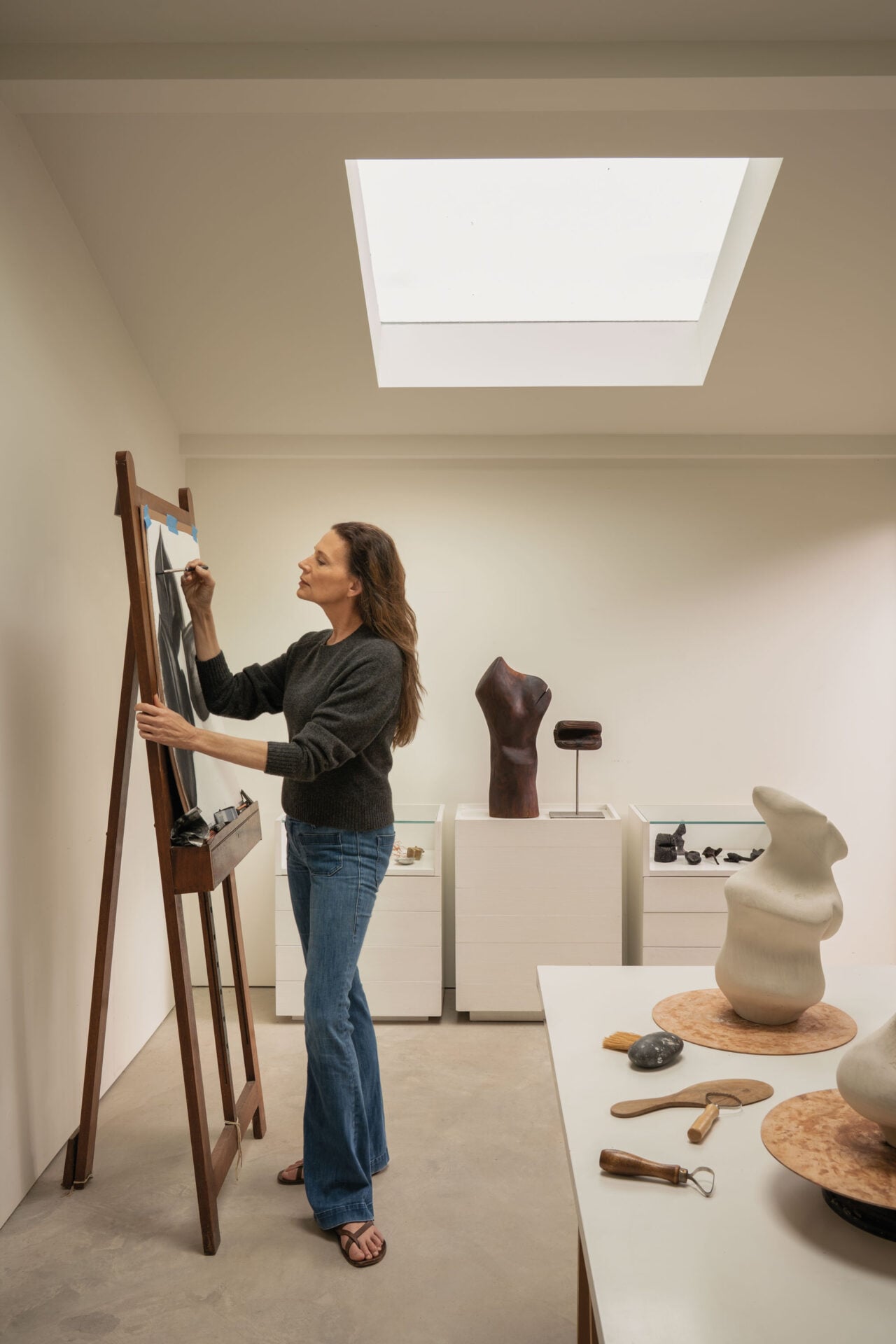
After Mary’s death in 2023 (Barnaby died in 2013), Conrad started pursuing her long-standing desire to become a full-time artist. She shuttered the stores and went back to school to learn sculpture, working in Barnaby’s former art studio on the Rincon property. (Her first show at Santa Barbara’s Separate Reality gallery opens on May 9.)
Cameron established David Cameron Studio, focusing on residential and retail interiors. The couple have two daughters who work in the arts and wellness fields. “They love exploring nature, camping, and surfing, which means they visit often,” he says.
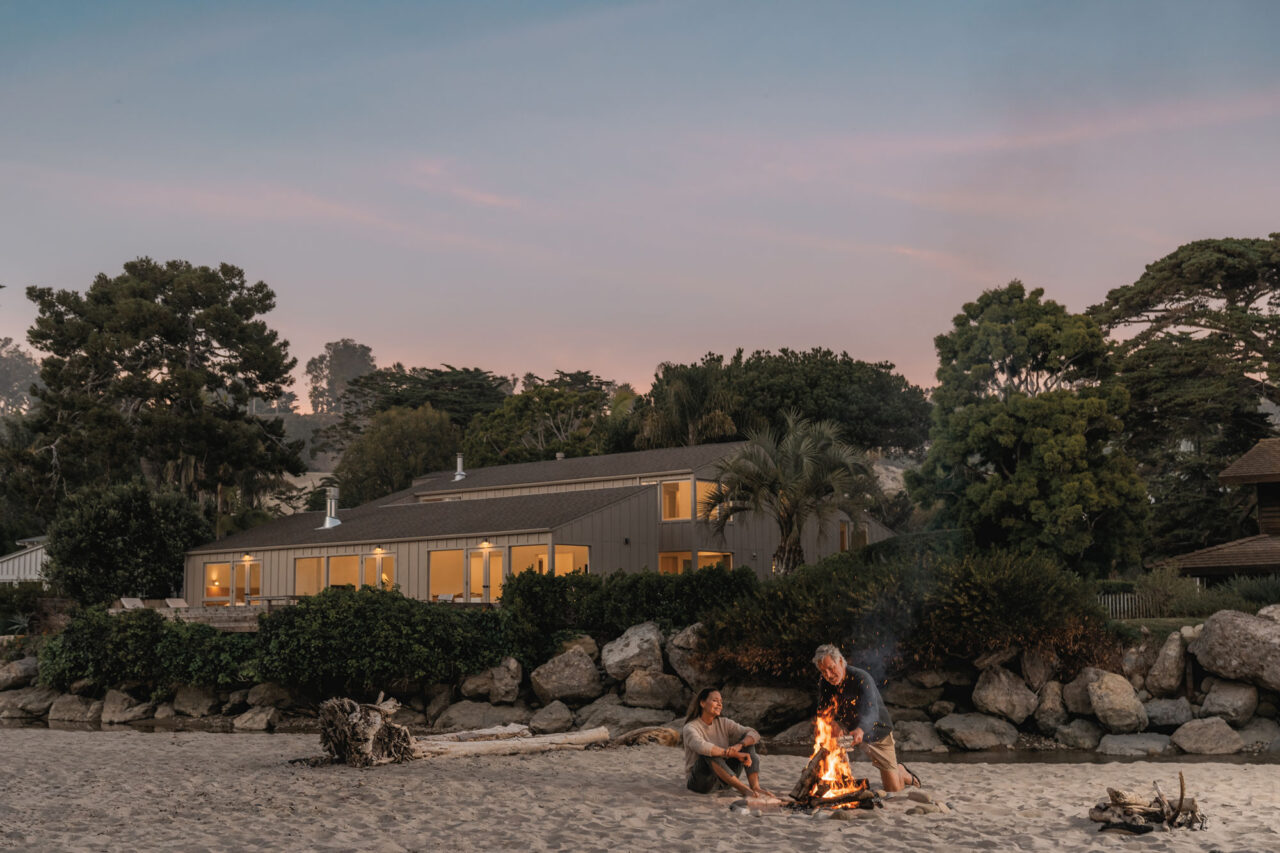
The house has come full circle. Conrad is fully dedicated to her sculpture practice, and her works are making their way into the house, just as Barnaby’s did. Cameron continues to tweak the furnishings. “I like to change it around all the time,” he says. The weekend lunch parties continue. As Conrad says, “It’s fun to keep it evolving. It’s like a living organism.”
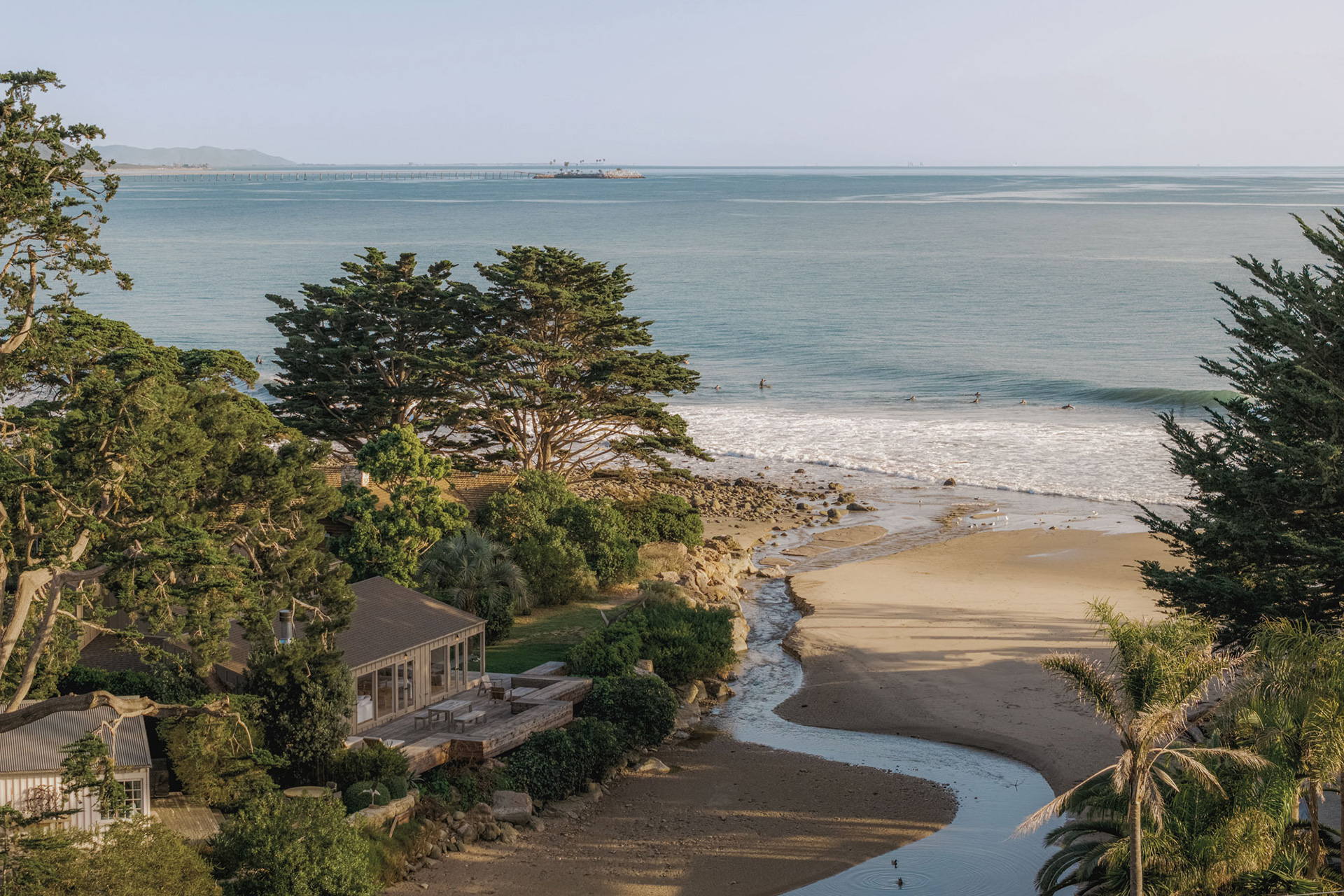
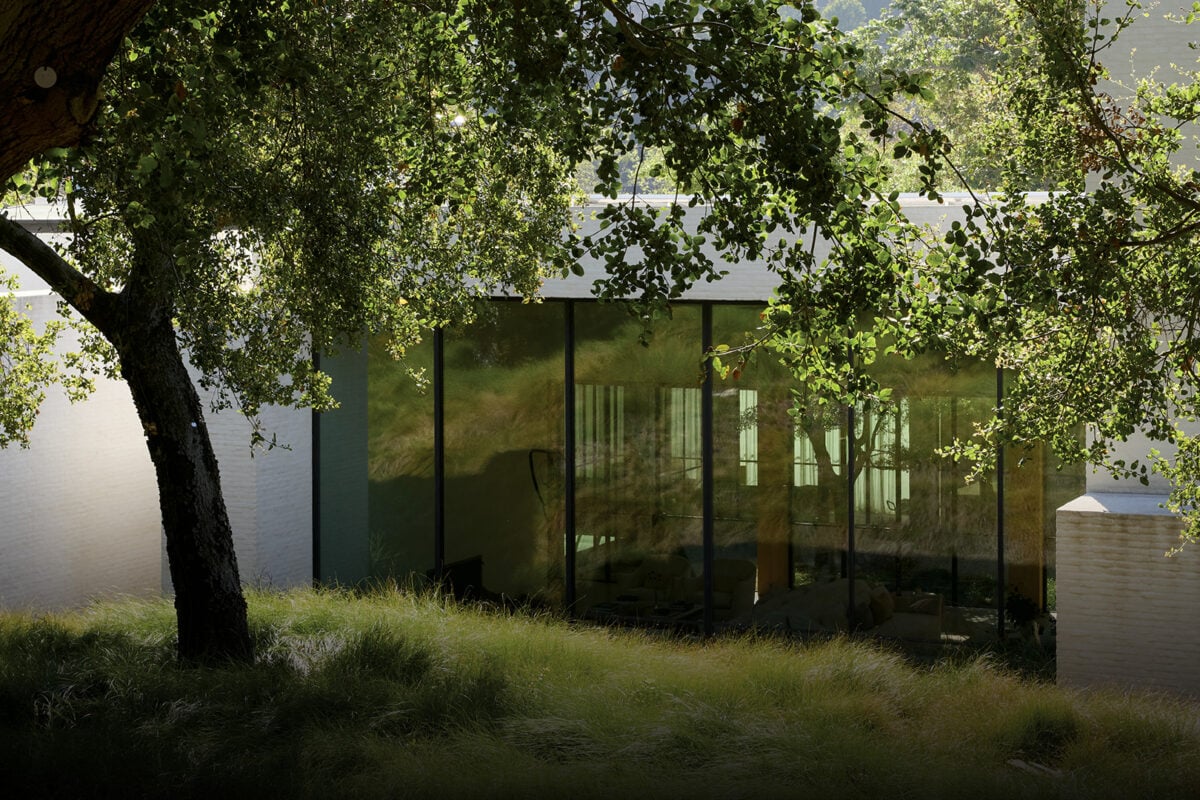
Feature image: A modernist gem, the Conrad family home has witnessed the dramatic grandeur of Rincon Point for nearly six decades.
This story originally appeared in the Fashionable Living 2026 issue of C Magazine.
Discover more DESIGN news.
See the story in our digital edition